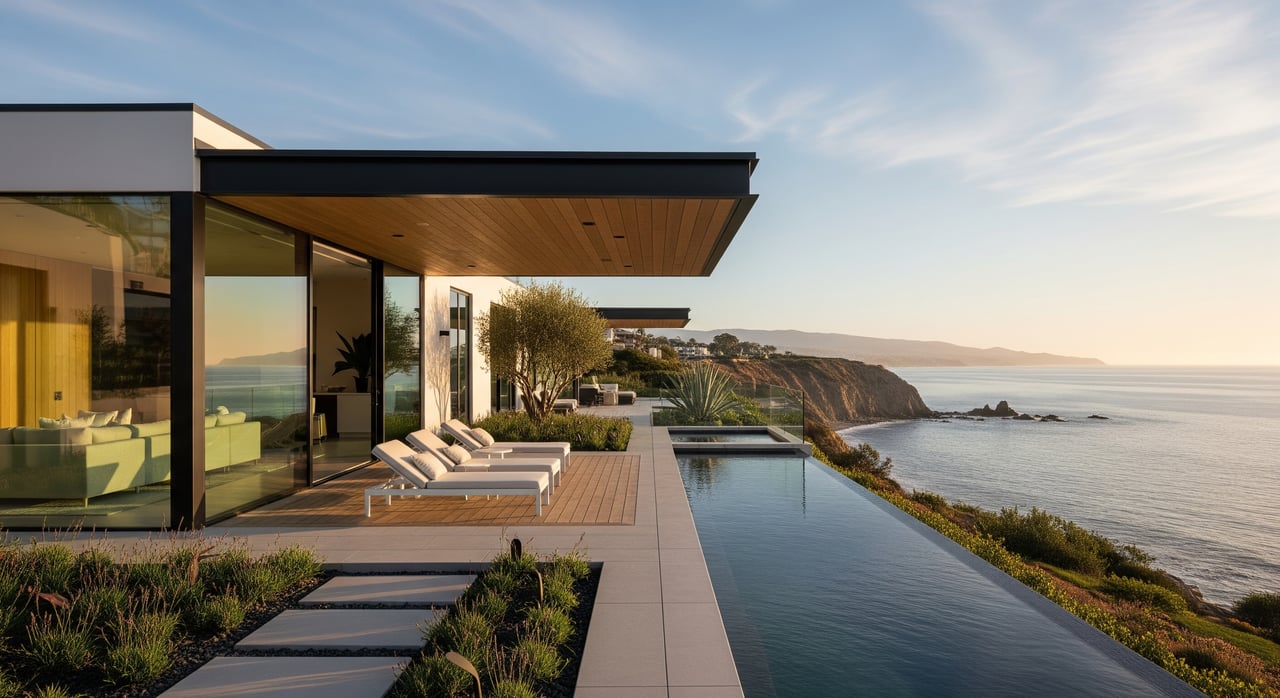
That sweeping ocean or canyon view is often the reason you shop in Pacific Palisades. The premium is real, but so are the risks if a neighbor builds higher, a slope moves, or marine weather hides the horizon more often than you expect. You want clarity on what truly protects a view and how to evaluate a hillside structure. This guide gives you a focused checklist for legal protections, inspections, timelines, and insurance so you can buy with confidence. Let’s dive in.
Views in Pacific Palisades: value drivers
Pacific Palisades offers ocean, bay, canyon, and city panoramas. Microclimates matter. Marine layer and canyon fog can arrive often in spring and early summer, and west-facing orientation can create intense glare late in the day.
View value hinges on permanence and usability. You should confirm what could change on adjacent lots, how trees may grow, and whether a recorded easement protects your view corridor. The most expensive mistake is paying a premium for a view that is not legally or practically durable.
Protect the view on paper
A view is only as strong as the documents behind it. In California, there is no automatic legal right to a view. Plan to verify every protection.
Title and recorded easements
Ask your title company for a full title report and chain of title. Look for recorded view easements, scenic easements, building restriction covenants, and reciprocal easements for access or drainage. Consider a real estate attorney to interpret ambiguous language or older documents.
Confirm the property’s permit history through Los Angeles Department of Building and Safety records. Unpermitted additions can complicate insurance and resale, and they can hide structural work that affects the slope or retaining walls.
Zoning on adjacent parcels
Your biggest practical risk is neighbor build-out. Pull zoning for the subject and adjacent parcels, including height limits, floor area ratio, and setback requirements. Check for recent or pending applications on neighboring lots. If a view premium is part of your pricing, you want to know the maximum envelope a neighbor could build.
Coastal zone and CDP triggers
Some Palisades properties fall in the California Coastal Zone. Significant work on coastal bluffs often requires a Coastal Development Permit. CDP reviews can add months and substantial design constraints, including setbacks and engineered foundations. If you plan to expand or harden a bluff, factor this into timelines early.
Neighborhood rules and trees
Review any CC&Rs or architectural guidelines that affect exterior changes and height. Los Angeles protects certain trees, and removals may require permits and public notice. This applies to trees that block a view and to trees that provide privacy screening. Always verify ownership of any tree you hope to trim and whether it is protected.
Inspect slope and structure
Hillside homes demand a deeper inspection scope. Bring in the right specialists and give them time to test and report.
Slope, bluff, and foundation
Walk the site with a structural or geotechnical lens. Watch for stepped or widening cracks, sloped floors, doors or windows that stick, tilted posts, and signs of settlement. On bluffs, look for undermined patios, patchwork repairs, or visible retreat at the edge. Document drainage paths that could saturate soil beneath foundations.
Retaining walls, terraces, and decks
Retaining walls tell you how the site is held in place. Check for rotation, horizontal and vertical cracking, exposed rebar, staining, bulging, or seepage. Review permit history for walls that look newer than the house. For cantilevered decks, verify load paths and fasteners, and ask for engineer letters or past repair warranties.
Roof, envelope, and marine exposure
Salt air accelerates corrosion. Inspect flashing, balcony hardware, roof-edge metal, window seals, and any steel components for rust. Look for spalling in coastal concrete. Mechanical systems and pool equipment near the ocean often age faster and may require more frequent replacement.
Pools, spas, and drainage
Check for deck expansion cracks and evidence of water tracking toward the slope. Confirm that pool equipment and piping are not causing seepage. Ask whether the system has been pressure-tested and when equipment was last replaced.
Fire risk and access
Many hillside areas fall within higher fire severity zones. Inspect defensible space, vents and screening, roof materials, and under-deck ember exposure. Consider access for emergency vehicles and evacuation routes. Narrow streets or single driveways can affect safety and future construction logistics.
Privacy and sightlines
Stand on balconies and terraces and note window-to-window views with neighbors. Identify where screening may be appropriate and whether it is allowed under local rules or CC&Rs. Also consider whether future plant growth could trade a view for privacy, or vice versa.
Specialists and timelines
For a premium view property, schedule specialists at the start of your contingency period.
- Licensed home inspector: 3 to 7 days to schedule, one day on site, report in 1 to 3 days.
- Pest and wood-destroying organism inspection: 1 to 3 days.
- Structural engineer: preliminary within 1 to 2 weeks, with follow-ups as needed.
- Geotechnical or soils engineer: preliminary in 1 to 2 weeks. Full reports with borings often take 2 to 6 weeks.
- Retaining wall specialist: 1 to 3 weeks for assessment and any testing.
- Drainage or civil engineer: timing varies with scope, often 1 to 3 weeks.
- Marine corrosion or materials specialist: as needed for sea-air exposure.
- Arborist: 1 to 2 weeks, especially if trees affect view or screening and may require permits.
- Fire-hardening or brush clearance consultant: schedule during the general inspection window.
- Surveyor: boundary and elevation surveys can clarify setback lines, encroachments, and view corridors.
In local practice, many luxury buyers negotiate a 30 to 45 day contingency to complete these steps. If you expect coastal permits or full geotechnical testing, plan for a longer runway.
Orientation and microclimate checks
Not all views live the same, day to day. Test how the home feels in real time.
- Visit at sunrise and sunset. Note glare, interior heat gain, and how usable the outdoor spaces are.
- Ask the seller how often marine layer obscures the view in spring and early summer. Verify with multiple visits.
- Map seasonal sun angles. A south or west exposure can be spectacular, but you may want shading or glazing solutions to manage heat and glare.
- Note wind exposure on terraces. Usability matters as much as the postcard view.
Insurance and financing
Coastal and hillside properties often carry higher premiums and more exclusions. Obtain homeowner and earthquake insurance quotes early, and discuss any landslide or earth movement coverage limitations with your carrier. Confirm flood zone status, and understand that coastal bluff retreat is different from FEMA flood risk.
Some lenders require geotechnical or structural reports for homes on significant slopes or with known instability. If you plan upgrades or stabilization work, verify that your lender can finance the property in its current condition. Early conversations avoid surprises late in escrow.
Due diligence roadmap
Use this checklist to move efficiently from offer to close.
Pre-offer checks
- Pull online zoning and permit records, and review seller disclosures and the Natural Hazard Disclosure when available.
- Request a preliminary title review to screen for view or scenic easements and any building restriction covenants.
- Walk the street to observe sightlines and active construction that may signal future height changes.
During contingency
- Order the general home and pest inspections immediately.
- Engage a structural engineer, and add a geotechnical evaluation for blufftop or steep sites or if you see movement signs.
- Hire an arborist if trees influence your view or privacy. Confirm permit requirements before planning any changes.
- Order a boundary and elevation survey if setbacks, overhangs, or encroachments are unclear.
- Request all available plans, permits, engineering, photos of past stabilization work, and related warranties.
- Secure insurance quotes, including earthquake, and confirm any lender requirements tied to the site conditions.
Questions to ask
- Have there been slope repairs, retaining wall replacements, or prior geotechnical reports? Can you share copies?
- Are there recorded view easements or CC&Rs that address height? Any pending permits on adjacent lots?
- Have there been insurance claims for landslide, flood, or fire in recent years?
- How often does marine layer or fog obscure the view at key times of day?
- Are there known issues with access or emergency vehicle reach?
Red flags to pause on
- New or widening structural cracks, tilting walls or posts, or clear signs of slope movement.
- Unpermitted retaining walls or major structural elements with no engineering record.
- Inability to obtain insurance or quotes that include severe exclusions you cannot mitigate.
- Neighboring permits or zoning that indicate an imminent height increase that would block your view.
- Coastal bluff locations with no documented mitigation history or with visible retreat near structures.
Pricing the view
Views carry a premium, but the market values permanence and usability. Appraisers consider the likelihood of obstruction, seasonal variability from marine layer, and the presence of legal protections. If you are paying a significant premium, seek stronger protections like a recorded view easement or accept the risk in your pricing.
The best deals balance joy and prudence. You want a view that looks as good on paper as it does at sunset.
Ready to evaluate a specific Palisades view home with a development-minded plan and a discreet, high-touch process? Schedule a Private Consultation with Amir Jawaherian for a tailored due diligence roadmap and strategic representation.
FAQs
Do I have a legal right to preserve my view in Pacific Palisades?
- No. California does not grant a general right to a view. Only recorded easements, CC&Rs, or specific local restrictions can protect it.
How can I tell if a neighbor can build higher and block my view?
- Check adjacent zoning, height limits, and any pending permits, and review title and CC&Rs for height or view restrictions.
How long does a full geotechnical report take in Los Angeles?
- A full report with borings typically takes 2 to 6 weeks after initial scheduling, and longer if lab work is extensive.
What insurance should I budget for a hillside ocean-view home?
- Expect higher premiums for homeowner coverage, consider earthquake insurance, and discuss any limits on landslide or earth movement coverage.
What are the biggest red flags for Palisades view homes?
- Active slope movement, unpermitted structural work, inability to secure insurance, nearby permits that raise height, and unmitigated coastal bluff retreat.