If luxury means more than square footage to you, Bel Air stands apart. In 90077, privacy is not just a feature. It is part of how the neighborhood was planned, built, and preserved over time. If you are looking for a quieter, estate-driven version of Los Angeles living, this guide will help you understand what makes Bel Air unique and why it continues to draw buyers who value discretion, views, and architectural presence. Let’s dive in.
Why Bel Air Feels So Private
Bel Air’s sense of privacy starts with its physical layout. The Bel Air-Beverly Crest community plan covers about 9,900 acres, and residential development is predominantly single-family, with commercial activity limited to a few existing nodes. That creates a very different daily rhythm than you find in denser parts of Los Angeles.
The numbers support that feel. The area profile shows 21,242 residents, 9,862 dwelling units, 83.6% owner-occupied housing, 89.9% single-housing units, and about 1.0 dwelling units per gross acre. In simple terms, Bel Air is low-density, ownership-heavy, and built for residential life rather than mixed-use activity.
That pattern shapes how the neighborhood functions day to day. You are not moving through blocks of storefronts, busy sidewalks, and constant foot traffic. Instead, you are entering a residential enclave that prioritizes separation, landscape, and space.
Estate Living Defines the Neighborhood
Bel Air is best understood as an estate neighborhood, not just a luxury ZIP code. SurveyLA traces the original 1922 subdivision and describes more than 80 expansive, irregular parcels set into winding hillside streets. Those large lots still help define the area’s identity today.
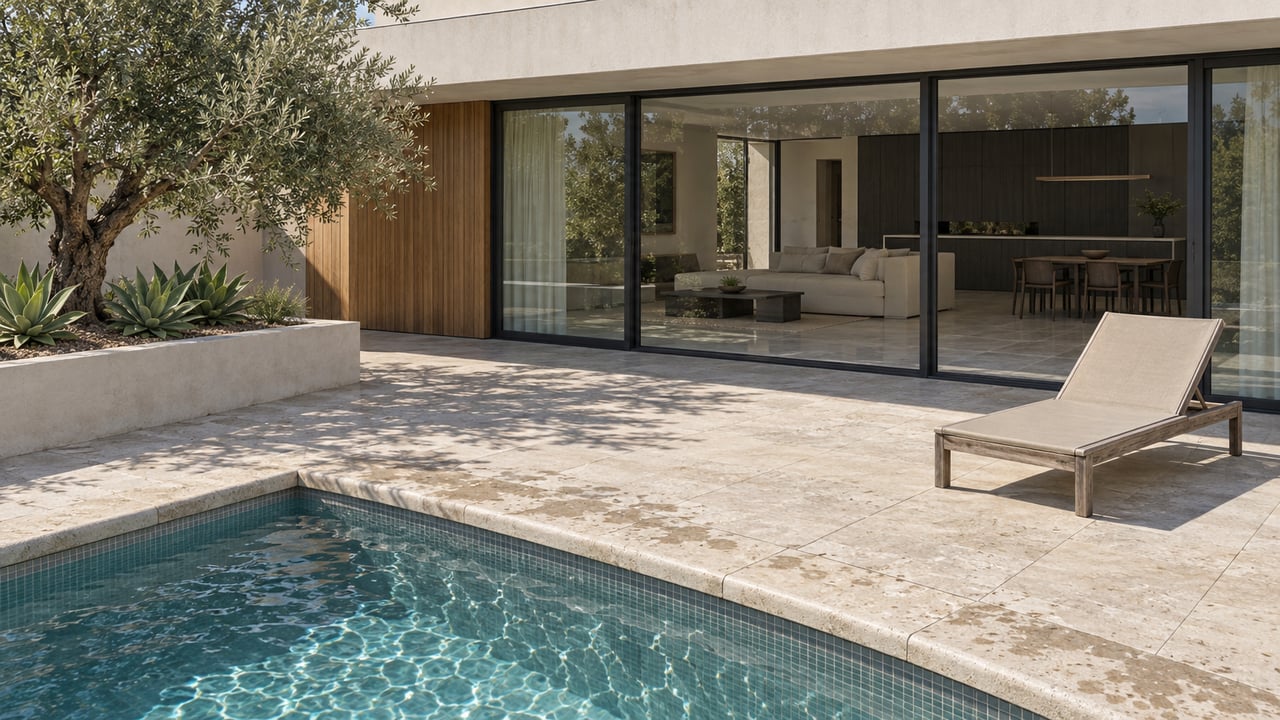
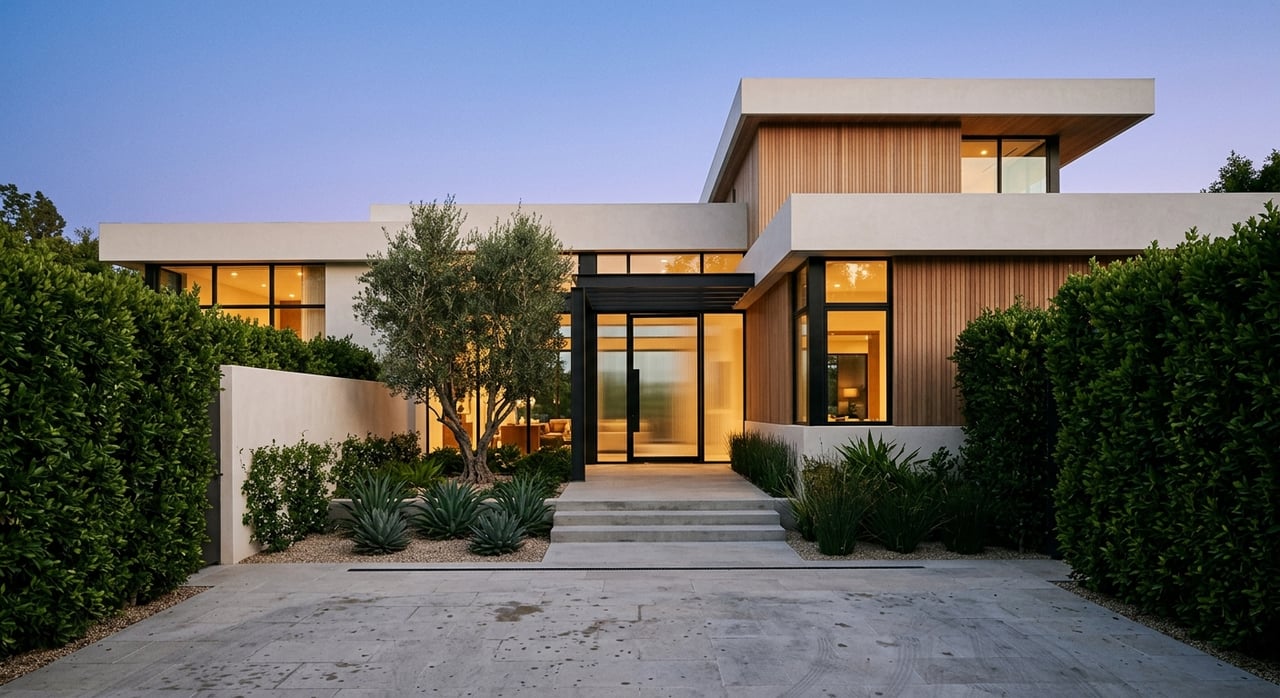
Many properties are framed by privacy walls, hedges, and gates. Lawns, gardens, pools, and tennis courts are part of the traditional residential pattern, reinforcing the sense that homes here are designed as private compounds rather than houses set close to the street. That design language continues to appeal to buyers who want both scale and separation.
The original community also planned for underground utilities, along with bridle trails, horse stables, and a country club. Those details matter because they show Bel Air was conceived around discretion, natural landscape, and private recreation from the beginning.
Streets, Topography, and Seclusion
Part of Bel Air’s appeal comes from how it moves with the land. Streets wind through the hills rather than follow a tight grid, and the area’s narrow roads and lack of sidewalks add to its secluded, vehicle-oriented character. You feel the difference almost immediately.
The community plan also calls for preserving natural topography and scenic views. That is one reason views are so central to Bel Air’s identity. The land itself is part of the experience, whether you are looking across canyons, toward city lights, or out over layered hillside terrain.
For many buyers, this is the point. Bel Air offers privacy not only through gates and lot size, but through planning, elevation, and a streetscape that naturally limits through traffic and casual activity.
Architecture Has Real Depth Here
One of the biggest misconceptions about Bel Air is that it has a single luxury look. In reality, the neighborhood has notable architectural variety. City preservation records identify examples ranging from Period Revival and Tudor Revival to Craftsman, Spanish Colonial Revival, Georgian Revival, and Mid-Century Modern.
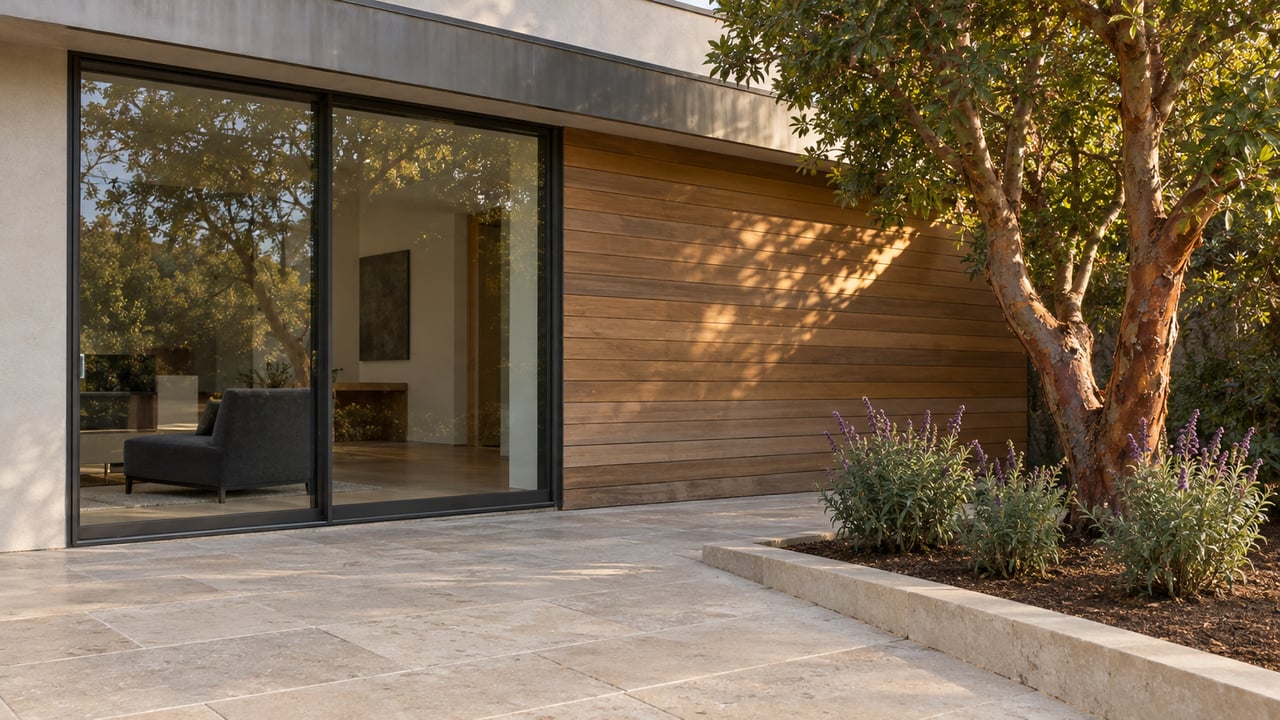
That range gives Bel Air more depth than a one-note luxury enclave. You can find homes with historic character, residences with classic estate proportions, and properties that reflect a more modern Southern California point of view. For buyers who care about design, that variety creates more ways to match a home to your taste.
This also means the neighborhood feels layered rather than uniform. Even with a strong shared identity around privacy and lot size, Bel Air offers architectural distinction that can be hard to replicate in newer luxury areas.
What Daily Life Looks Like in Bel Air
Bel Air is quiet and residential, but it is not disconnected. The lifestyle here tends to center on private homes, outdoor settings, and selective access to nearby cultural, dining, and wellness destinations. If that balance sounds appealing, Bel Air has a strong case.
Franklin Canyon Park is one of the clearest lifestyle anchors nearby. The 605-acre park offers three main trails, a stroller-friendly reservoir loop, city vistas, a nature center, and picnic and event spaces. It adds a nature-forward option close to home, which supports the canyon-like feel that many residents value.
The Getty Center offers another nearby draw. It combines art, modern design, gardens, dining, and expansive city views, giving Bel Air residents convenient access to one of Los Angeles’ best-known cultural destinations.
Hotel Bel-Air also plays an important role in the neighborhood’s identity. It is known for modern Californian cuisine with Mediterranean influence, al fresco dining, spa treatments, a fitness studio, and outdoor pool access. Its location minutes from Beverly Hills and Century City highlights one of Bel Air’s biggest advantages: a private residential setting with quick access to major destinations.
Nearby Culture and Wellness Access
Bel Air also benefits from its proximity to UCLA. Nearby destinations include the Hammer Museum and the Fowler Museum, both of which contribute to the area’s cultural access. Ronald Reagan UCLA Medical Center also adds a major medical resource within reach.
This mix matters because Bel Air is not only about retreat. It is also about convenience at a certain level. You can prioritize quiet residential living while staying close to arts, wellness, dining, and medical institutions that support everyday life.
Private recreation is part of the local identity too. The Bel Air Country Club occupies nearly 40 acres and includes an 18-hole golf course, clubhouse, tennis courts, and gatehouse, reflecting one of the community’s original amenities.
Who Bel Air Is Best For
Bel Air tends to fit buyers who want privacy, larger lots, views, and architecturally distinct homes. It is especially compelling if you value quiet residential scale over density and if you prefer a more discreet luxury environment to a highly public one.
It may be less appealing if your ideal lifestyle depends on walkable retail streets or frequent mixed-use activity. The area’s land-use pattern, narrow streets, and limited commercial property support a car-oriented lifestyle rather than an urban one. That is not a drawback for the right buyer. It is the point.
In many ways, Bel Air offers a specific kind of Los Angeles luxury. It is estate-driven, privacy-forward, and shaped by topography, landscaping, and controlled access to surrounding amenities.
Why Bel Air Holds Its Identity
Some neighborhoods change quickly when new development and commercial activity intensify. Bel Air has held onto a more protected identity because planning policy emphasizes its low-density single-family character and limited commercial concentration. That consistency is part of what many buyers are really looking for.
When a neighborhood preserves its residential pattern, it becomes easier to understand what you are buying into. In Bel Air, that means a community defined by space, ownership, scenic setting, and discretion. Those qualities are not accidental. They are embedded in the area’s planning framework and physical design.
For buyers and sellers in this market, that context matters. A Bel Air property is not just a home. It is part of a broader lifestyle equation that includes lot configuration, topography, architecture, privacy treatment, and access to nearby cultural and wellness assets.
Bel Air Through a Luxury Lens
If you are considering Bel Air, it helps to look beyond surface-level prestige. What truly defines 90077 is how consistently the neighborhood delivers a private residential experience within Los Angeles. Large parcels, gates and hedges, winding hillside roads, limited commercial activity, and a broad range of distinctive homes all work together to create that result.
For some buyers, that combination is hard to replace. For some sellers, it is exactly the story that needs to be positioned with care, accuracy, and discretion. Bel Air is not simply luxury living. It is privacy-focused luxury living, shaped by planning, landscape, and legacy.
If you are exploring a purchase, preparing a discreet sale, or evaluating a legacy estate in Bel Air, working with an advisor who understands both the neighborhood’s market position and its property-specific nuances can make a meaningful difference. To start a private conversation, connect with Amir Jawaherian.
FAQs
What makes Bel Air in 90077 feel more private than other Los Angeles neighborhoods?
- Bel Air’s privacy comes from its low-density single-family pattern, large irregular lots, winding hillside streets, limited commercial activity, and the common use of gates, hedges, and privacy walls.
What type of homes are common in Bel Air?
- Bel Air is known primarily for large single-family residences and estates, with documented architectural styles that include Period Revival, Tudor Revival, Craftsman, Spanish Colonial Revival, Georgian Revival, and Mid-Century Modern.
Is Bel Air a walkable neighborhood for daily errands and shopping?
- Bel Air is better described as car-oriented than walkable because commercial activity is limited, streets are narrow, and many areas do not have sidewalks.
What lifestyle amenities are near Bel Air for residents?
- Nearby lifestyle anchors include Franklin Canyon Park, the Getty Center, Hotel Bel-Air, UCLA cultural destinations like the Hammer Museum and Fowler Museum, and Ronald Reagan UCLA Medical Center.
Who is Bel Air best suited for in the Los Angeles luxury market?
- Bel Air is a strong fit for buyers who prioritize privacy, larger lots, scenic views, and architecturally distinct homes over denser, mixed-use, retail-oriented living.
Why is Bel Air considered an estate-driven neighborhood?
- The neighborhood’s original subdivision pattern, expansive parcels, residential planning framework, and long-standing emphasis on private recreation and preserved topography all support its estate-driven identity.