Your Listing Photos Are Your Real First Showing: Is Luxury Home Staging Worth the Investment?
By Amir Jawaherian | The Agency, Los Angeles
In today's luxury real estate market, your home's first showing doesn't happen when a buyer walks through the front door. It happens on their phone.
Before a qualified buyer schedules a private tour of a Beverly Hills estate or a Brentwood property, they've already formed an opinion based on the listing photos, video, and overall presentation.
And in a market where buyers have choices, those first few seconds can determine whether your property makes the shortlist or gets passed over.
That's why one of the most common questions I hear from luxury homeowners is: Is professional staging really worth the investment, especially at a higher price point?
The answer isn't simply yes or no. It depends on the property, the target buyer, and how staging fits into the overall marketing strategy.
Here's what the data tells us, what I've seen firsthand in the Los Angeles luxury market, and where I believe sellers should focus their investment.
Does Home Staging Actually Increase a Property's Value?
According to the National Association of Realtors' 2025 Profile of Home Staging, staging can influence both the offers buyers make and the time a property spends on the market.
The findings are worth considering:
- 29% of sellers' agents reported that staging resulted in a 1% to 10% increase in the dollar value offered.
- 17% of buyers' agents reported a 1% to 5% increase in offer value compared with similar unstaged properties.
- 49% of sellers' agents said staging reduced the time a home spent on the market.
These figures reflect agents' reported experiences, not guaranteed returns. Staging doesn't automatically increase every home's sale price, and it certainly doesn't replace accurate pricing.
Still, consider the financial implications.
On a $10 million property, a 1% difference in the final sale price represents $100,000.
When you're dealing with that level of value, the cost of staging becomes a relatively small component of the overall marketing investment.
The more important question isn't necessarily how much staging costs. It's whether the presentation is helping the property achieve its full market potential.
Luxury Buyers Don't Just Buy Square Footage. They Buy a Lifestyle.
One of the most compelling findings in the NAR report is that 83% of buyers' agents said staging made it easier for buyers to visualize a property as their future home.
To me, that's where staging creates its greatest value.
Luxury buyers aren't simply comparing square footage, bedroom counts, and finishes. They're evaluating how a home fits their lifestyle.
They want to understand how they'll entertain, where they'll spend time with family, how the indoor and outdoor spaces connect, and what living in that property will actually feel like.
An empty living room may have extraordinary architecture, beautiful materials, and incredible views. Yet without furniture, it can be difficult to understand the room's scale or intended use.
Introduce thoughtfully selected furnishings, appropriate lighting, and a seating arrangement that draws attention to the view, and the entire space can feel different.
I've seen this repeatedly throughout Beverly Hills, Bel Air, Brentwood, and the Hollywood Hills.
Sometimes the difference between a room that photographs beautifully and one that feels cold or oversized comes down to a few carefully chosen pieces.
The goal isn't to fill a house with furniture. It's to help buyers understand the experience of living there.
Where Should Luxury Sellers Spend Their Staging Budget?
One misconception I frequently encounter is that every room in a luxury property needs to be fully staged.
That's not necessarily true.
In fact, the NAR's 2025 staging report identifies the rooms buyers' agents consider most important:
Room | Buyers' agents identifying it as important |
|---|---|
Living room | 37% |
Primary bedroom | 34% |
Kitchen | 23% |
Guest bedroom | 7% |
For sellers preparing a large estate, these findings provide a useful starting point.
Rather than spending heavily to furnish every room in a 10,000- or 12,000-square-foot property, I generally prefer a more strategic approach.
Focus on the main living spaces, primary suite, and kitchen. Make sure those areas photograph exceptionally well and communicate the property's scale, functionality, and character.
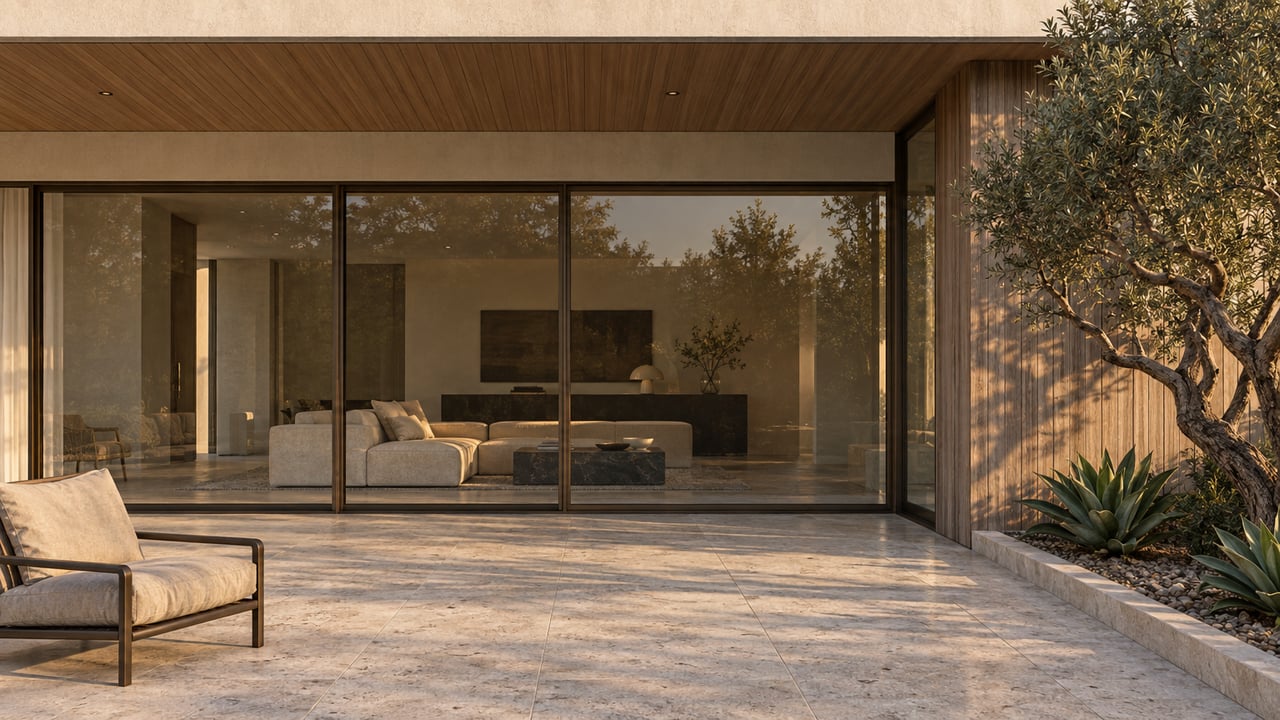
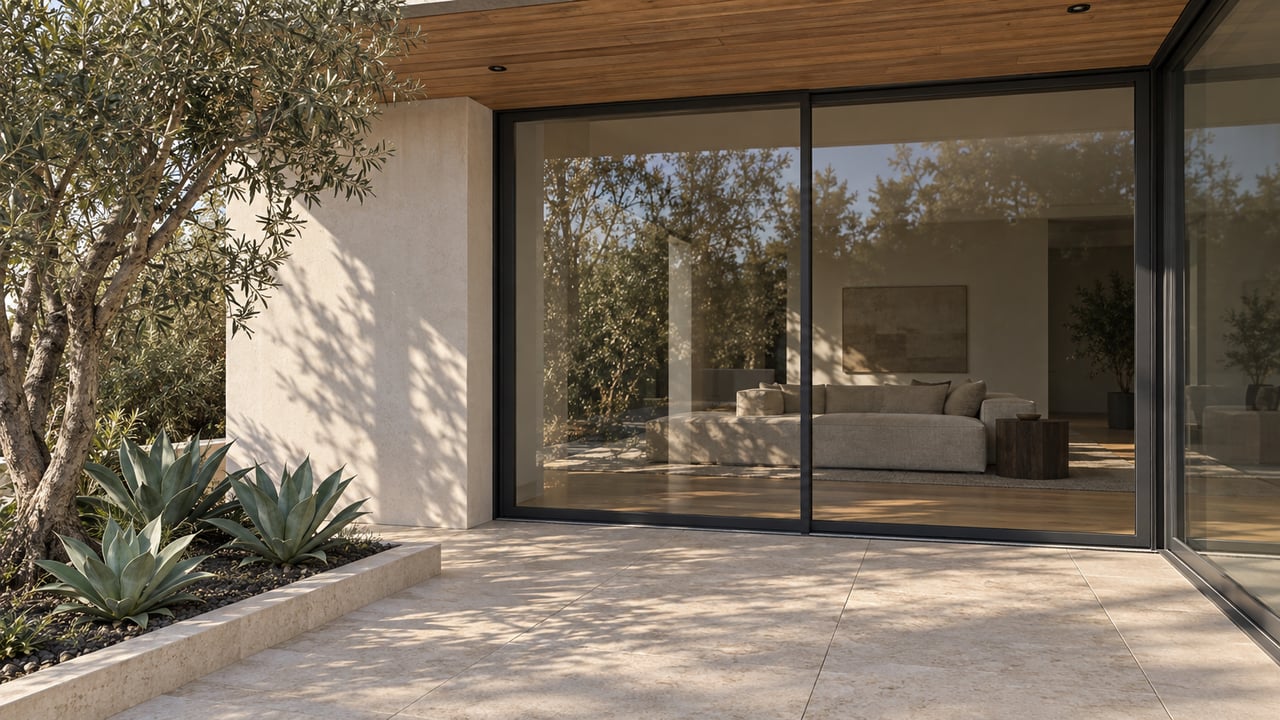
In Los Angeles, I would add another priority: the indoor-outdoor living experience.
A beautifully staged living room loses some of its impact if the adjoining terrace looks empty or disconnected.
Outdoor seating, dining areas, fire features, and poolside spaces should feel like natural extensions of the interior.
For many luxury buyers, that seamless connection is one of the primary reasons they're shopping in Southern California.
The remaining rooms should still be thoughtfully presented. That may involve selective furnishings, decluttering, improved lighting, or simply allowing the architecture to speak for itself.
Effective staging is about making intentional choices, not maximizing the number of furniture pieces.
The Biggest Staging Mistake? Waiting Until the Property Isn't Selling.
This is where I believe many sellers get the process wrong.
They bring a property to market without a complete presentation strategy, wait several weeks to see how buyers respond, and then begin considering staging after activity slows.
By that point, they've already missed an important opportunity.
The initial launch of a luxury listing is when the property is introduced to agents, qualified buyers, and the broader market.
That first impression establishes expectations.
If the photography doesn't communicate the home's value, the floor plan feels confusing, or the spaces appear unfinished, buyers may move on without ever requesting a showing.
Staging the property weeks later can improve its presentation, although it doesn't recreate the attention that comes with a fresh launch.
And when a home has already accumulated days on the market, buyers may begin questioning whether the asking price is justified.
My approach is to address presentation before the property goes live, not after the market has already formed an opinion.
That means coordinating staging, photography, videography, twilight imagery, and pricing as parts of one strategy.
The goal is simple: when buyers see the property for the first time, they should see the strongest possible representation of what they're being asked to purchase.
Staging Alone Won't Sell an Overpriced Home
There's another point worth addressing.
Professional staging is a marketing tool, not a substitute for market fundamentals.
A beautifully furnished home with an unrealistic asking price can still sit on the market.
Likewise, an architecturally significant property with exceptional views and strong design may require only minimal staging to communicate its value.
Every home is different.
For some properties, I may recommend a comprehensive staging program. For others, I may suggest keeping certain existing furnishings, replacing a handful of pieces, and focusing the budget on photography and video.
The decision should be based on the architecture, buyer demographic, competitive inventory, and the property's overall positioning.
Luxury marketing isn't about spending the most money. It's about knowing where that money will have the greatest impact.
Selling a Luxury Home? Start With the Presentation, Not the Photography.
If you're considering selling your home in the next three to six months, I recommend evaluating its presentation before scheduling photography or selecting a launch date.
Walk through the property as though you're seeing it for the first time.
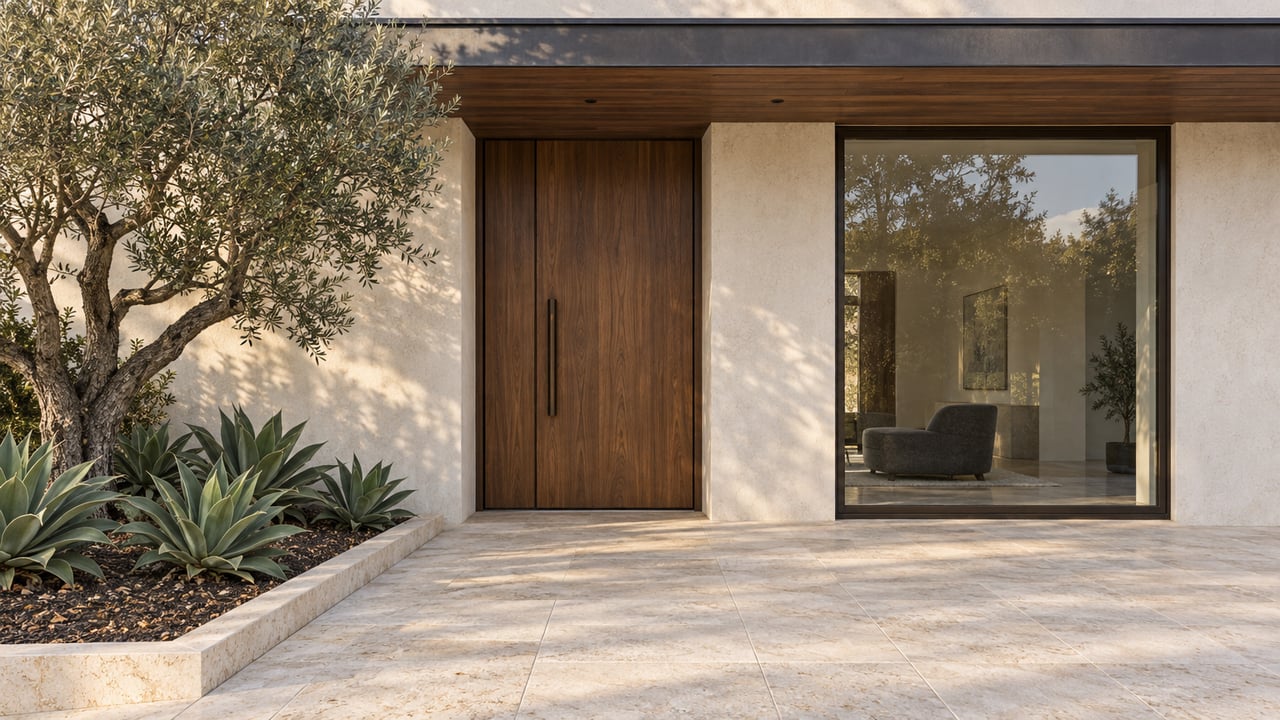
Does the entry create an immediate impression? Do the main living spaces feel inviting and appropriately scaled? Does the primary suite communicate comfort and privacy? Do the outdoor areas reinforce the lifestyle the property offers?
Most importantly, will those qualities translate through a photograph on someone's phone?
Because that's where the buying process increasingly begins.
A successful luxury listing requires more than attractive photography or expensive furniture. It requires a cohesive strategy that brings together presentation, pricing, storytelling, and exposure.
And sometimes, knowing what not to stage is just as important as knowing what to stage.
Final Thoughts: Your First Showing Happens Online
In luxury real estate, presentation is part of the value proposition.
Buyers may ultimately make their decisions after walking through a property, evaluating comparable sales, and considering their personal needs. Yet the photographs and marketing materials are often what motivate them to take that first step.
That's why I believe staging should be considered early in the listing process, with a clear understanding of the property and its intended audience.
The objective isn't simply to make a home look beautiful.
It's to make buyers want to experience it in person.
If you're considering selling a property in Beverly Hills, Bel Air, Brentwood, or the greater Los Angeles luxury market, I'm happy to walk through your home and provide a candid assessment of where I would invest in presentation—and where I wouldn't.
Amir Jawaherian
The Agency | Los Angeles
[email protected]
(818) 561-1600
CA DRE# 01899893
Source: National Association of Realtors, 2025 Profile of Home Staging. Survey findings reflect real estate professionals' reported experiences. Individual results vary by property, market conditions, pricing, and presentation strategy.