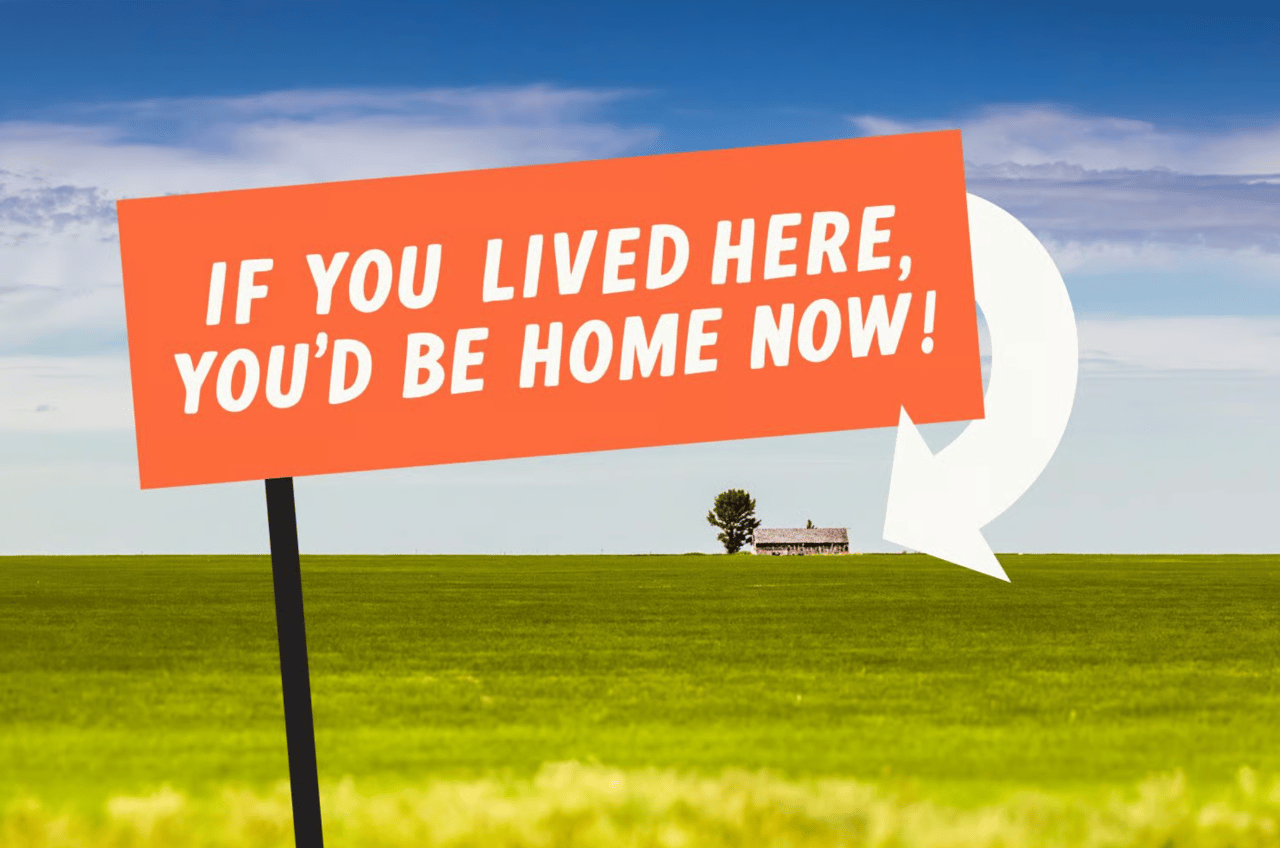

If you noticed a realtor looking particularly despondent at a recent open house, it’s probably because everyone is eating the free food but nobody is making an offer. Despite expectations for the sluggish housing market to take off during the usually busy spring season, home sales remained flat in April, a sign that a resurgence isn’t likely to happen.
Sales of existing homes rose 0.2% last month—that’s better than the 2.9% they fell in March—but economists surveyed by the Wall Street Journal had anticipated a 3% increase for April after the 30-year mortgage rate dropped below 6% at the end of February. The reasons behind the reluctance to buy property are varied, but they mostly boil down to: “Nobody can afford nice stuff.”
- The war in Iran pushed mortgage rates back above 6% and triggered inflation concerns among buyers.
- Agents told the WSJ that buyers are also put off by a frozen job market and steep home prices.
- The national median existing-home price in April was $417,700, an all-time record high for the month, according to the National Association of Realtors (NAR).
More inventory needed: There were 1.47 million unsold homes on the market last month, the highest number for April since 2019, but still far below the 2 million average that was the norm before the Covid-19 pandemic. Beyond having more people suddenly be able to afford to stop renting, NAR chief economist, Lawrence Yun, told the AP a 30% increase in inventory would help put buyers and sellers on more even terms.
Looking ahead: What happens next may depend on where the current 6.37% mortgage rate goes. WSFS Home Lending president, Jeffrey Ruben, told the WSJ that if the rate falls back below 6%, sales will rise. But if it goes above 6.5%, it could scare away even more potential buyers.—DL