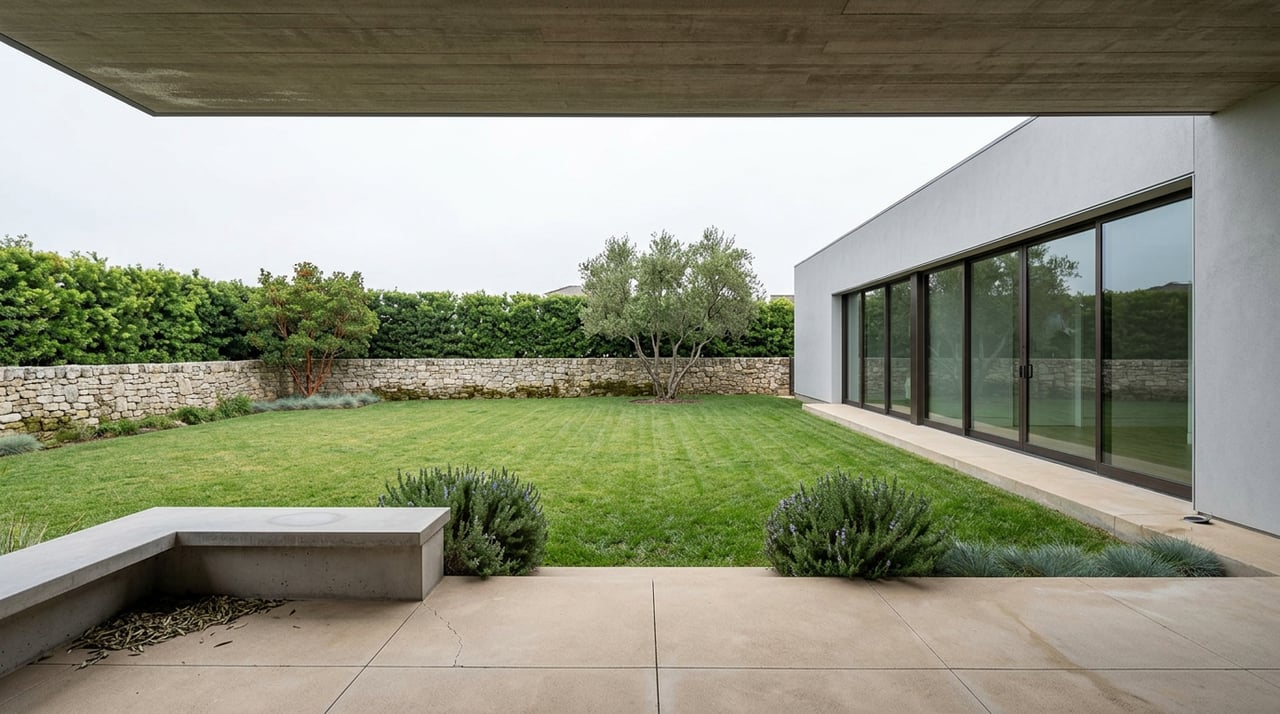
Should You Renovate Before Selling Your Luxury Home? Here's What the 2026 LA Market Is Actually Rewarding
Every luxury homeowner I meet this summer eventually asks the same question:
"Should I renovate before I sell, or can I list my home as-is?"
It's one of the most important financial decisions you'll make before bringing your home to market—and it's also where I see sellers make some of the biggest (and most expensive) mistakes.
Some homeowners spend hundreds of thousands of dollars on renovations they'll never recover. Others list a home that feels tired or dated into one of the most discerning luxury markets in the country and wonder why buyers aren't engaging.
The good news? You don't need to guess.
Here's what the Los Angeles luxury market is actually rewarding in 2026—and how I'd approach the decision if it were my own home.
The 2026 Buyer Wants Move-In Ready—Not a Full Renovation
Today's luxury buyer is looking for convenience.
That doesn't necessarily mean they expect a brand-new designer home, but they do want a property that feels complete, well-maintained, and free of immediate projects.
There are several reasons for this shift.
With jumbo mortgage rates hovering around 6.6%, buyers are less interested in financing an expensive purchase while simultaneously taking on a major renovation. Add in California's updated 2026 Building Standards Code—with stricter energy-efficiency and wildfire-resilience requirements—and renovation projects have become more expensive, more complicated, and more time-consuming than many buyers want to tackle.
A home that's already in excellent condition carries a premium because it removes uncertainty.
However, there's an important distinction many sellers miss:
Move-in ready does not mean fully renovated.
Buyers don't necessarily need you to install the exact kitchen or bathroom they would have chosen. They simply want to walk through the front door without immediately creating a mental list of problems that need solving.
The Best Return Comes From Small Improvements
One of the biggest misconceptions in luxury real estate is that larger renovations automatically produce larger returns.
The data says otherwise.
Year after year, Cost vs. Value studies consistently show that relatively inexpensive improvements generate the strongest returns on investment.
Some of the best-performing upgrades include:
- Garage door replacement (approximately 194% ROI nationally)
- Fresh interior paint
- Updated lighting
- Minor kitchen improvements such as:
- Cabinet refinishing
- New hardware
- Modern plumbing fixtures
- Updated appliances when appropriate
These improvements don't dramatically change the home—but they dramatically improve a buyer's first impression.
Compare that with projects sellers often assume will pay off:
- Full kitchen remodels
- Luxury primary suite expansions
- Sunrooms
- Resort-style pools
- Large structural additions
These projects frequently cost $80,000 to $150,000 or more, while often returning only a fraction of that investment at resale.
The reason is simple.
A modest improvement only needs to create a small increase in perceived value to produce an exceptional percentage return. Six-figure renovations have a much higher hurdle to overcome before they even break even.
One of the Biggest Mistakes Sellers Make: Over-Improving
Luxury sellers often assume that more expensive finishes automatically translate into a higher selling price.
Unfortunately, that's rarely how buyers think.
When you spend significant money installing highly personalized finishes, you're making an expensive bet that the next owner shares your exact taste.
In reality, affluent buyers are often the opposite.
The higher the price point, the more specific buyers become about:
- Cabinetry
- Stone selections
- Flooring
- Millwork
- Lighting
- Hardware
- Overall design aesthetic
Many would rather receive a credit—or negotiate the purchase price—than inherit someone else's luxury renovation.
This is where over-improving becomes expensive.
Instead of broadening your buyer pool, an overly customized renovation can actually narrow it.
Where I Recommend Spending Money
As a general rule, I encourage sellers to think about strategic improvements—not major construction.
For most luxury homes, investing approximately 1% to 3% of the property's value before listing is often enough to maximize presentation without overspending.
The priorities are almost always the same:
- Fresh paint
- Professional landscaping
- Updated lighting
- Minor kitchen refreshes
- Clean, modern primary bathrooms
- Repairing deferred maintenance
- Deep cleaning and detailing
- Professional staging
These are the improvements every buyer notices within the first minute of walking through the home.
By contrast, expensive projects completed primarily for personal enjoyment rarely generate equivalent returns during resale.
Every Home Requires a Different Strategy
There isn't a universal renovation checklist that works for every luxury property.
Sometimes a thoughtfully executed $15,000 refresh combined with exceptional staging is all that's needed to maximize value.
Other times, particularly when the property is best suited for redevelopment, selling the home entirely as-is to a builder can produce the strongest financial outcome.
The right decision depends on several factors, including:
- The home's condition
- Its location
- The surrounding neighborhood
- Your price point
- Current buyer demand
- Your timeline for selling
That's why I don't believe in generic advice.
I believe in positioning each property based on what today's buyers are actually paying for—not what renovation trends suggest.
The Bottom Line
Before spending hundreds of thousands of dollars on renovations, ask one simple question:
Will this investment make more buyers compete for my home—or am I simply improving it for myself?
In today's Los Angeles luxury market, strategic preparation consistently outperforms expensive over-improvement.
The sellers who achieve the strongest results aren't necessarily the ones who spend the most—they're the ones who spend wisely.
If you're considering selling and want an honest assessment of which improvements are worth making—and which ones are simply money you'll never recover—I'd be happy to walk your property with you.
Together, we can identify the upgrades that genuinely add value, avoid unnecessary expenses, and position your home to achieve the strongest possible result in today's market.
Contact:
Amir Jawaherian
📧 [email protected]
📞 (818) 561-1600