If you have ever driven through Beverly Hills and wondered why one street feels like old-world Europe while the next reads sleek, modern, and unmistakably California, you are not imagining it. Beverly Hills did not grow around one signature look. It evolved in distinct architectural waves, which is why buyers in 90210 often find a striking mix of style, era, and design language within just a few blocks. In this guide, you will learn the signature architectural styles that define Beverly Hills homes, where they tend to appear, and what to notice before you buy or renovate. Let’s dive in.
Why Beverly Hills Architecture Feels So Varied
Beverly Hills developed in layers, not all at once. City landmark reports identify the late 1920s and 1930s as a period shaped by Colonial Revival, Spanish Colonial Revival, French Normandy, Tudor Revival, and related period-revival styles. By the mid-to-late 1930s, Hollywood Regency entered the picture, and postwar development introduced contemporary luxury homes associated with Mid-Century Modern design.
That timeline helps explain why 90210 feels so street-specific. In one pocket, you may see formal estates with historic detailing. In another, you may find low, horizontal homes with expansive glass and a strong indoor-outdoor connection.
Spanish Colonial Revival in Beverly Hills
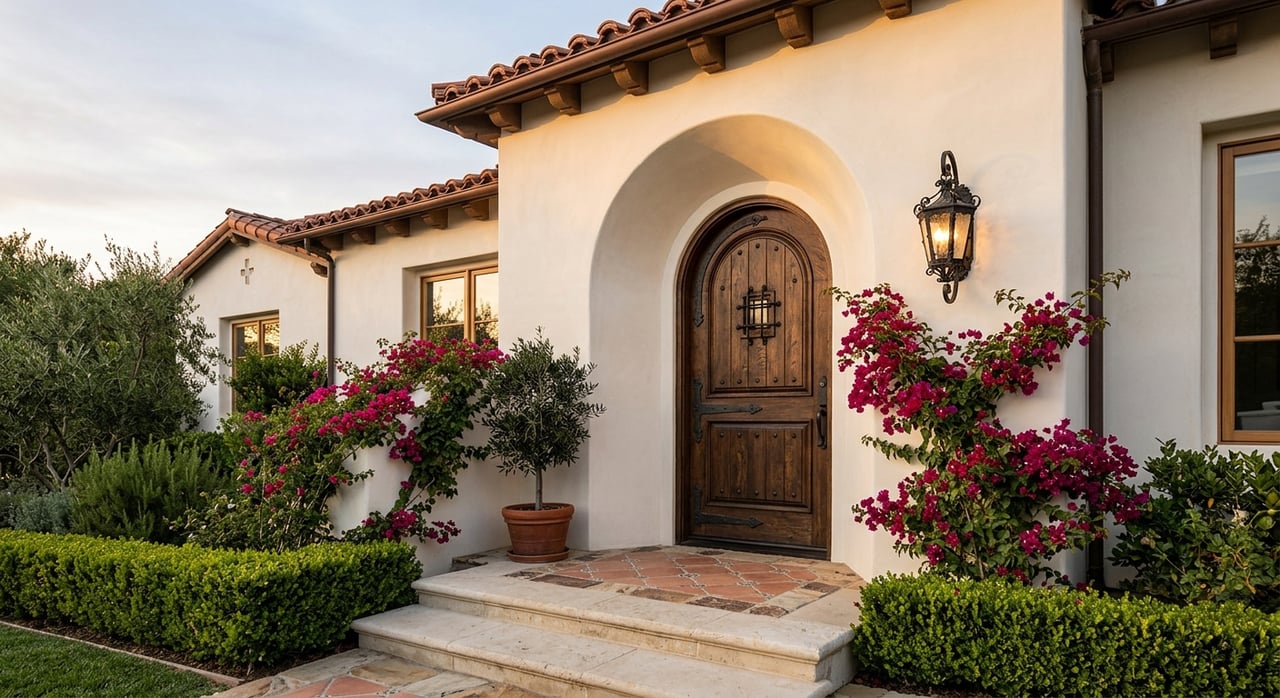
Spanish Colonial Revival is one of the most recognizable architectural styles in Beverly Hills. City reports connect its popularity to the 1915 Panama-California Exposition and note that many Hollywood actors, producers, and writers commissioned Spanish or Mediterranean homes in Beverly Hills during the 1920s.
When you tour these homes, look for stucco walls, arches, wrought iron, terra cotta details, recessed openings, balconies, and courtyard-oriented layouts. Many also feature tile roofs or parapets and formal garden settings that reinforce the estate feel.
Mediterranean Revival details
Mediterranean Revival overlaps with Spanish Colonial Revival but often reads more formal and symmetrical. In Beverly Hills examples, this version of the style tends to include low-pitched red clay tile roofs, more elaborate window and door surrounds, and a stronger sense of European classicism.
In 90210, this style is closely tied to early glamour and large estate lots. It often appeals to buyers who want a home that feels timeless, established, and visually rich.
Traditional Beverly Hills Means Period Revival
In Beverly Hills, “traditional” usually does not mean a generic conventional house. More often, it refers to Period Revival architecture, including Colonial Revival, Tudor Revival, English Revival, and French Normandy styles that city reports describe as dominant in the late 1920s and 1930s.
These homes can feel formal, crafted, and highly intentional. They are often defined by symmetry, strong entries, steep roofs or decorative chimneys, and carefully composed facades.
Colonial Revival features
Colonial Revival homes are often identified by symmetry and a pronounced central entry. Common markers include pediments, columns, fanlights, and Palladian windows.
If you are drawn to order and balance, this style may stand out to you. In Beverly Hills, it often carries a stately look rather than a casual one.
Tudor, English Revival, and French Normandy
Tudor Revival and English Revival homes typically bring more texture and visual weight. French Normandy often introduces picturesque rooflines and a more romantic silhouette.
Greystone Mansion offers a strong estate-scale example of English Revival architecture in Beverly Hills. The city describes it with limestone walls, Welsh slate roofing, red brick chimneys, leaded windows, and turrets, showing just how monumental and refined this category can be.
Hollywood Regency Brings Beverly Hills Glamour
Hollywood Regency became one of Beverly Hills’ most distinctive architectural languages by the mid-to-late 1930s. City materials describe it as a blend of Moderne sleekness and early-19th-century formality.
In practical terms, that means you may see simple primary masses, blank wall surfaces, symmetry, mansard roofs, classical columns or pilasters, and balconettes. The style often feels polished and theatrical without becoming overly ornate.
What to look for in Hollywood Regency
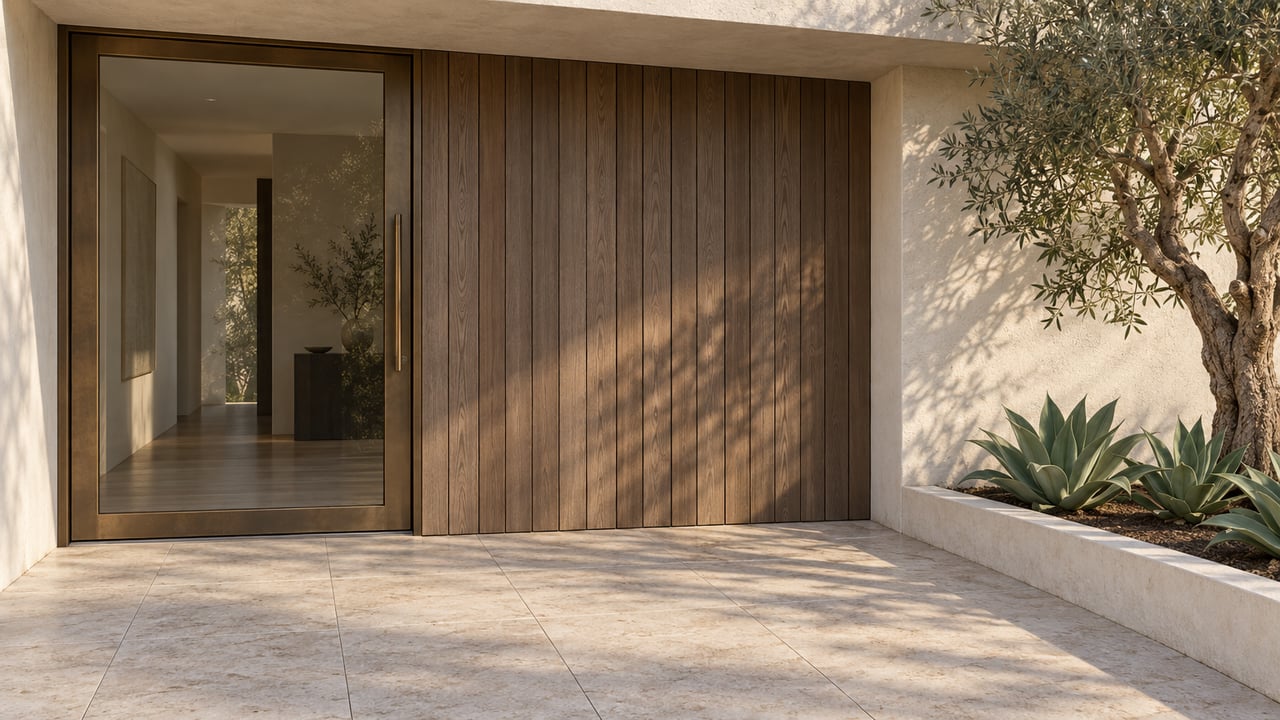
Some Beverly Hills examples also include oversized doors and windows, monumental entries, floating fireplaces, and a carefully styled relationship between interior and exterior spaces. It is a style that tends to project glamour through restraint rather than heavy decoration.
For buyers, Hollywood Regency can feel like an ideal bridge between prewar elegance and postwar livability. It often suits those who want architecture with presence, but not the full scale or upkeep of a grand early estate.
Mid-Century Modern and Contemporary Homes
Postwar Beverly Hills moved toward modern design, especially in the hills and in Trousdale Estates. City reports note that Trousdale Estates was created in 1955 from former Doheny ranch land, and that its early homes commonly reflected Mid-Century Modern, Contemporary Ranch, and Hollywood Regency styles.
This shift changed the visual language of Beverly Hills. Instead of ornament and symmetry, modern homes emphasized clean lines, low profiles, and a stronger relationship to light, views, and outdoor space.
Mid-Century Modern traits
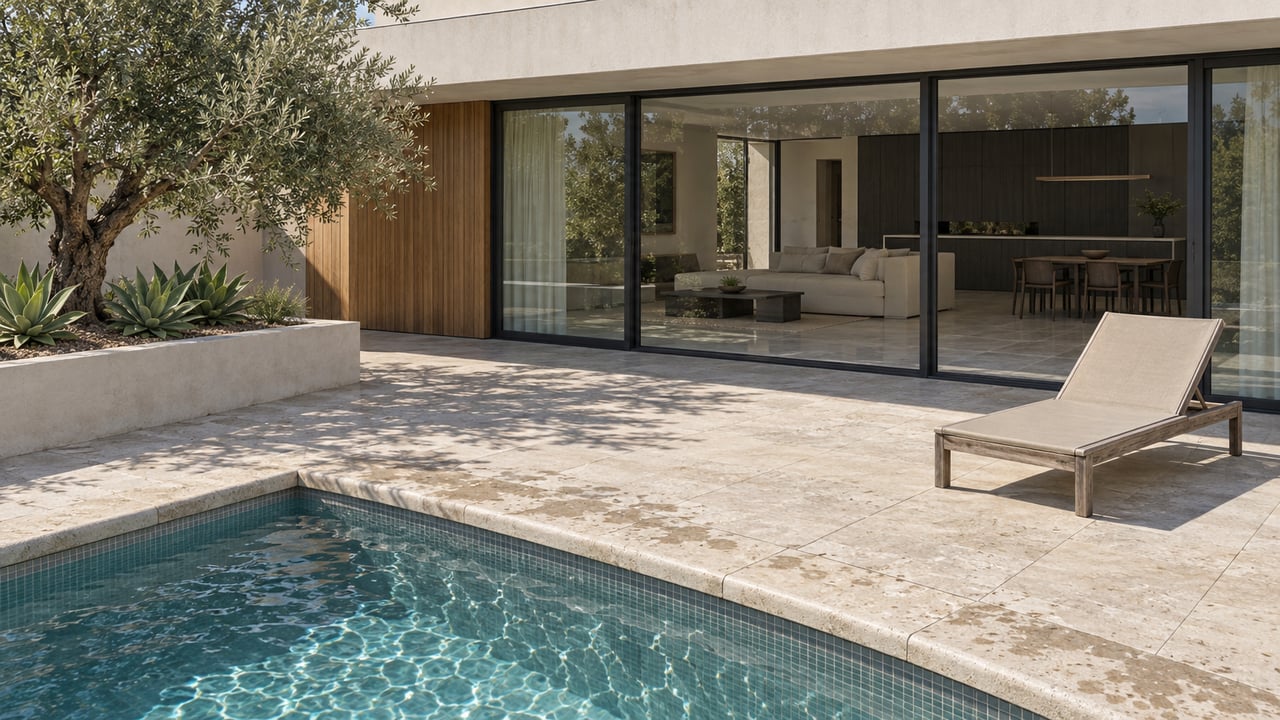
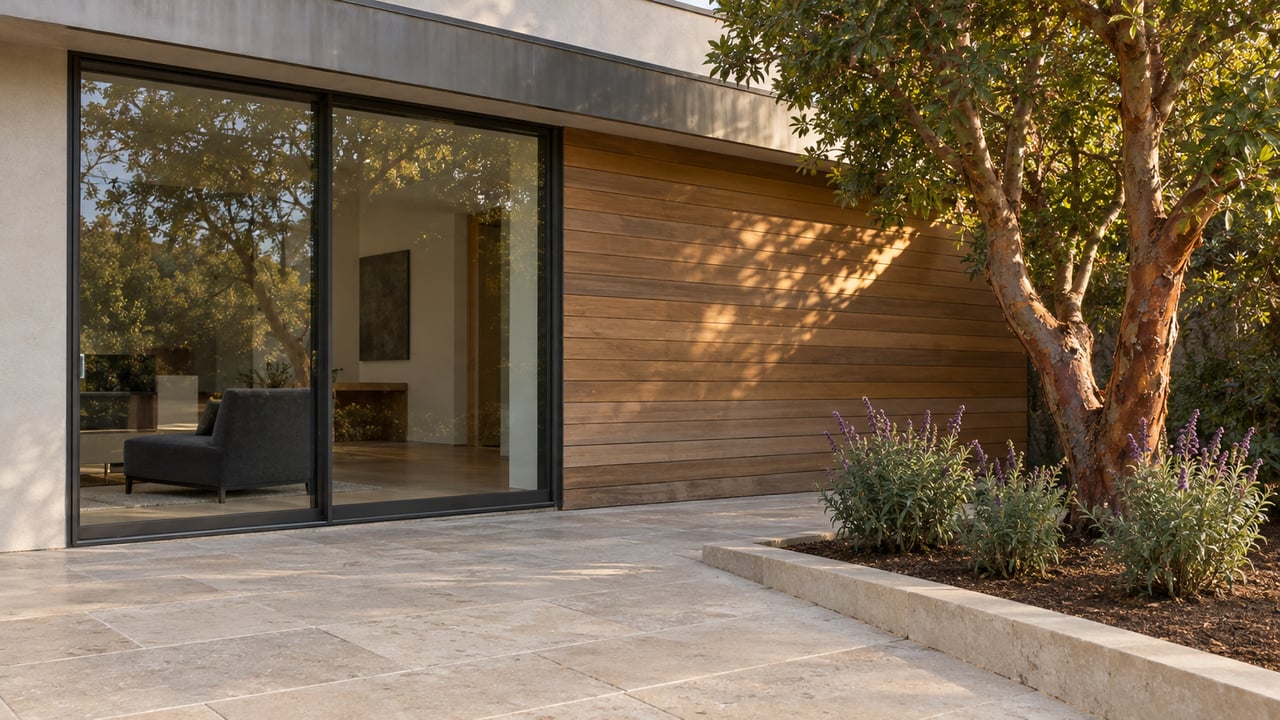
A strong local model is the Rosenstiel Residence, which the city describes as low and horizontal, with flat or low-pitched roofs, wide eave overhangs, fixed glass, sliding glass doors, and a deliberate indoor-outdoor relationship.
If you are style-focused, these are the homes where massing and proportion matter most. Later contemporary custom homes in Beverly Hills often build on this same vocabulary with larger glass spans, newer materials, and even cleaner forms.
Why Trousdale stands out
Trousdale Estates is the clearest modernist pocket in Beverly Hills. Its original post-1955 development favored view-oriented houses with strong horizontal lines, and the city regulates Trousdale separately from the Central and Hillside areas.
If you are considering a home there, it helps to look beyond finishes. Lot contour, view framing, and whether additions preserved the original low-profile composition can matter just as much as the kitchen or primary suite.
Storybook Style Adds a Rare Twist
Not every important Beverly Hills home fits into a formal or modern category. The Witch’s House on Walden Drive is one of the city’s best-known Storybook examples and a reminder that Beverly Hills architecture can also be whimsical and cinematic.
The city describes this house with roughly finished stucco, steep rooflines, curved or half-timbered forms, irregular multi-pane windows, gabled dormers, chimneys, and a theatrical landscape that includes fantasy-driven details. While rare, this style adds depth to the city’s architectural identity.
Where Styles Tend to Cluster in 90210
Style in Beverly Hills is highly location-specific. The same ZIP code can contain very different architectural experiences depending on the street, lot pattern, and development era.
North of Sunset
North of Sunset and into the foothills, you are more likely to see large estate lots and 1920s period-revival homes. This area includes strong Mediterranean Revival and English Revival reference points and often feels historic, layered, and estate-driven.
If your priority is architectural pedigree and lot size, this is often where your search becomes more focused.
Hillcrest and Waverly area
The Hillcrest corridor reflects a different pattern. City reports note that the Vance Residence sits on land subdivided from the former Waverly Mansion property in the early 1950s, and that nearby building trends included Mid-Century Modern, Contemporary Ranch, and Hollywood Regency.
That mix makes this area attractive if you want glamour and design character without stepping fully into oversized estate scale.
Trousdale Estates
Trousdale is the clearest fit for buyers drawn to modernism. The neighborhood’s early development favored low-profile, view-oriented homes, and that original intent still shapes how many buyers evaluate the area today.
This is often where design-minded buyers pay close attention to composition, siting, and preservation of the original architectural concept.
The flats and Central Area
The Central Area and the flats are more mixed. City materials note that by the 1980s, new construction appeared in scattered locations through the hills and on redeveloped parcels in the flats, helping explain why one block may include older revival homes, later remodels, and contemporary rebuilds.
For you as a buyer, the takeaway is simple: in Beverly Hills, style is rarely ZIP-code generic. It is block by block, and sometimes lot by lot.
What to Notice When Touring Beverly Hills Homes
If you are comparing architectural homes in Beverly Hills, it helps to look past furniture and staging. The more useful checklist is structural and visual.
Pay attention to:
- Roof pitch and roof form
- Window pattern and size
- Exterior materials
- Entry sequence
- Symmetry or asymmetry
- Indoor-outdoor flow
- Landscape structure
- Whether additions preserved the original massing
These are the same types of features the city considers when evaluating historic integrity and architectural significance.
Why Design Review Matters
In Beverly Hills, architectural style is not just an aesthetic issue. It can affect what you are allowed to change.
The city notes that historic resource surveys identify properties of possible significance, but a survey alone does not create formal historic designation. Separate landmark criteria apply, and regulations also vary by area. Single-family properties in the Central Area are subject to design review for visible exterior changes, while Hillside Area and Trousdale Estates follow different rules.
For buyers, that means renovation flexibility should be part of the conversation from day one. A home’s design language, location, and status can influence how easily you can remodel, expand, or rework visible exterior elements.
Matching Style to Your Goals
The best Beverly Hills purchase is not always the most dramatic home you tour. It is the one that aligns architecture, location, and your tolerance for renovation complexity.
If you love early glamour and estate-scale living, Spanish Colonial Revival or English Revival north of Sunset may feel right. If you prefer refined polish with historic character, Hollywood Regency may offer a strong middle ground. If your priorities are light, views, and indoor-outdoor living, Trousdale or another modern pocket may be the better fit.
In a market as layered as Beverly Hills, thoughtful guidance matters. If you are buying, selling, or evaluating an architecturally significant property in 90210, Amir Jawaherian offers discreet, high-touch advisory shaped by deep local knowledge and a strategic understanding of complex luxury homes.
FAQs
What architectural styles are most common in Beverly Hills homes?
- The most recognizable Beverly Hills styles include Spanish Colonial Revival, Mediterranean Revival, Colonial Revival, Tudor Revival, English Revival, French Normandy, Hollywood Regency, and Mid-Century Modern, with smaller outliers like Storybook architecture.
Where can you find Mid-Century Modern homes in Beverly Hills?
- Mid-Century Modern homes are especially associated with Trousdale Estates and some postwar pockets in the hills, where low horizontal forms, glass, and indoor-outdoor design became more common after World War II.
What does traditional style mean in Beverly Hills real estate?
- In Beverly Hills, traditional usually refers to Period Revival architecture such as Colonial Revival, Tudor Revival, English Revival, or French Normandy rather than a generic suburban house style.
Why do Beverly Hills streets have such different home styles?
- Beverly Hills developed in waves, with revival styles dominating the late 1920s and 1930s, Hollywood Regency rising in the later 1930s, and modern design expanding after the war, so nearby streets can reflect very different building eras.
What should buyers check before renovating a Beverly Hills home?
- Buyers should review the home’s location, architectural character, and whether design review or preservation rules may apply, since visible exterior changes in some areas are regulated differently depending on the property and neighborhood context.