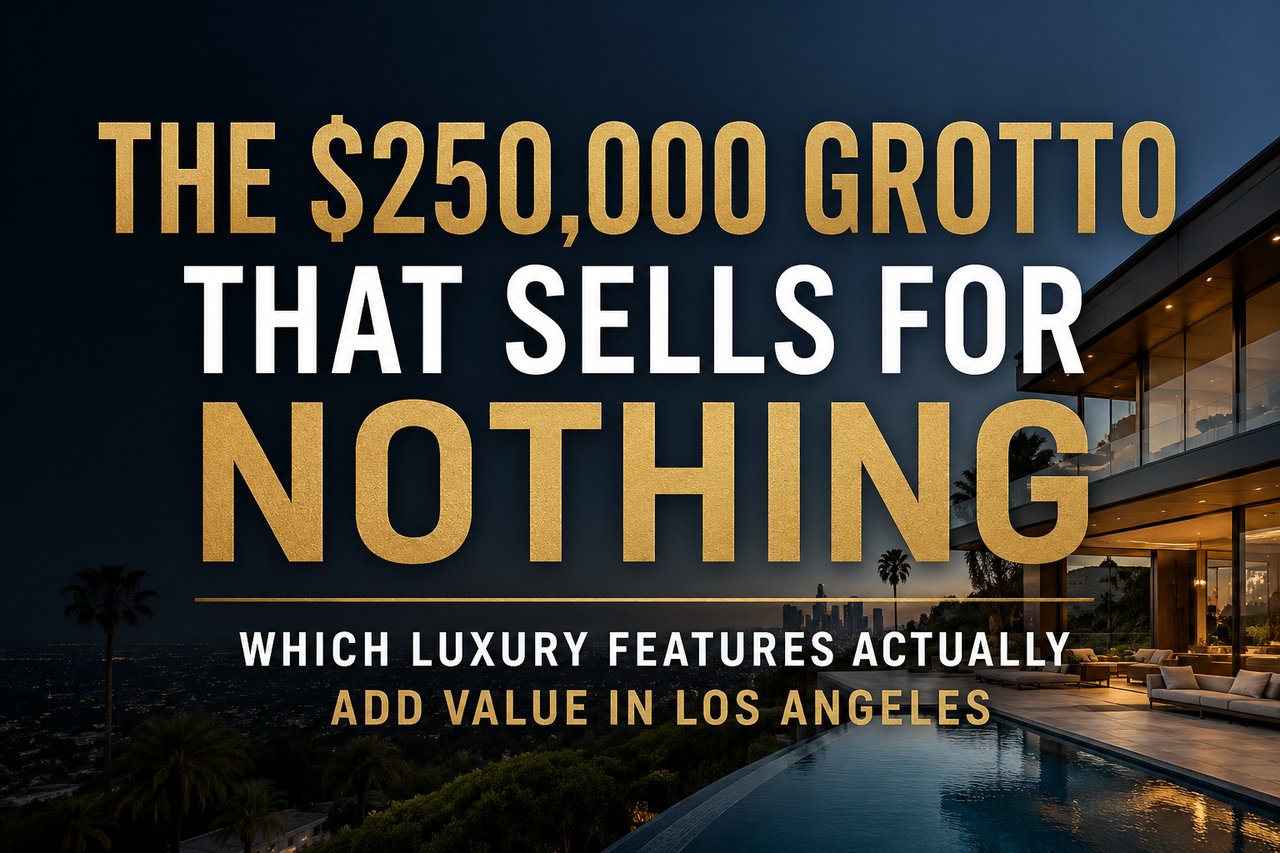
The $250,000 Grotto That Sells for Nothing
Which Luxury Features Actually Add Value in Los Angeles
Here’s what the Los Angeles luxury market is actually doing right now.
Somewhere in the Bird Streets, a homeowner is signing off on a custom waterfall grotto with a swim-up bar and a fire feature. It will cost a quarter-million dollars.
When they sell in four years, it may add roughly nothing to the sale price.
Maybe less than nothing.
I see this every week: smart, successful homeowners pouring money into features they believe are “adding value,” when the data — and the buyers I work with — often say otherwise.
Here’s the reality most homeowners need to understand before beginning a major renovation:
Not all luxury translates to resale value.
Some improvements are investments. Some are lifestyle expenses. And some can quietly reduce your home’s marketability.
There is nothing wrong with spending money purely for your own enjoyment. You simply deserve to know which category you’re in before you spend it.
The Pool Paradox
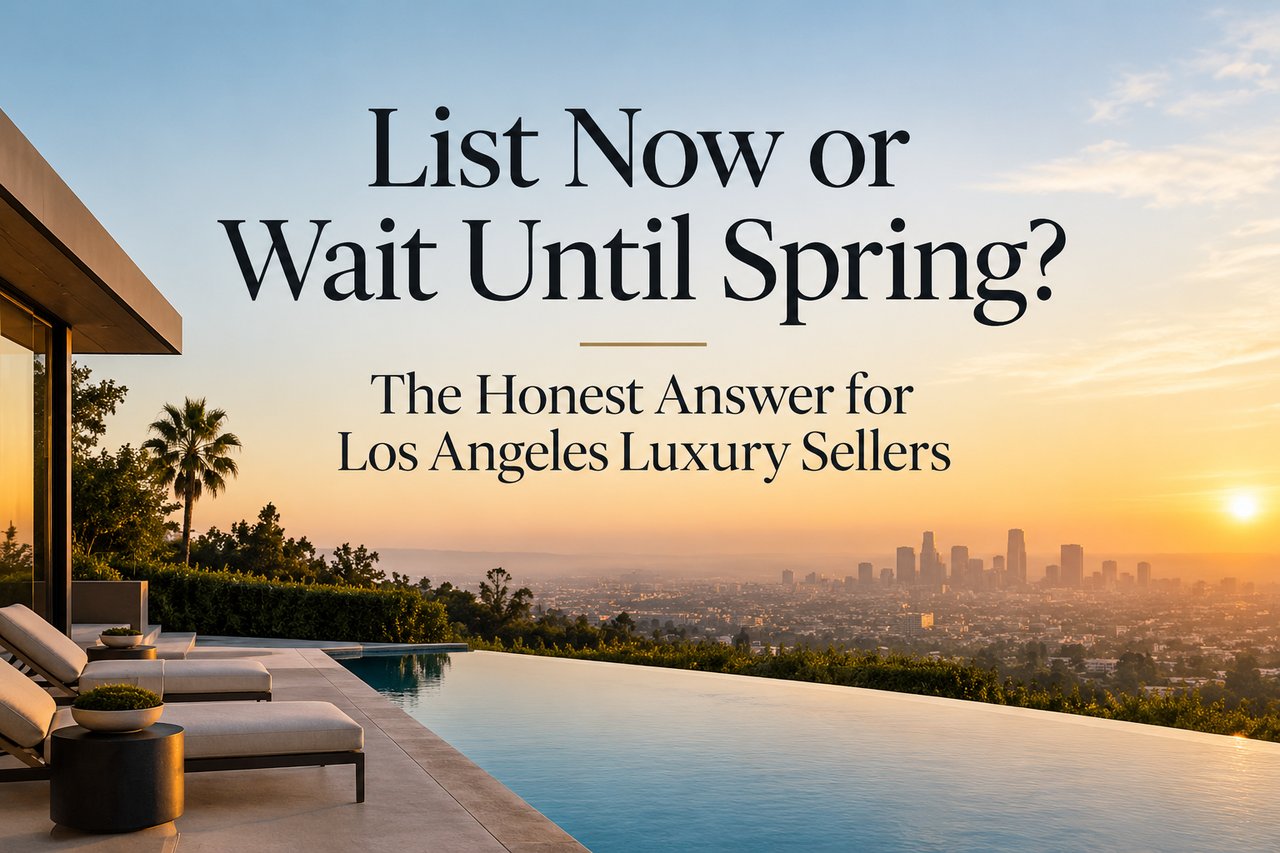
Let’s start with one of the most misunderstood assets in Los Angeles real estate: the swimming pool.
National headlines frequently characterize pools as poor investments. GOBankingRates recently cited experts describing pool ROI as “straight brutal,” while National Association of Home Builders cost models suggest that a new installation may recover only a portion of its cost.
Appraisers may also assign surprisingly modest contributory value to a pool.
But those national numbers miss an important Los Angeles reality.
In LA Luxury, a Pool Can Be an Expectation
In Bel Air, Beverly Hills, the Hollywood Hills, or the Palisades, a pool isn’t necessarily a bonus.
At certain price points, it’s expected.
A trophy estate without one can actually become the anomaly.
In neighborhoods where buyers assume a property will have a pool, a beautifully integrated pool can contribute meaningful value and, more importantly, improve the overall desirability and marketability of the home.
The distinction is critical:
Building an expensive new pool does not necessarily mean you’ll recover what you spent. Modernizing an outdated existing pool, however, can be one of the smarter improvements a luxury homeowner makes.
The real trap is over-building.
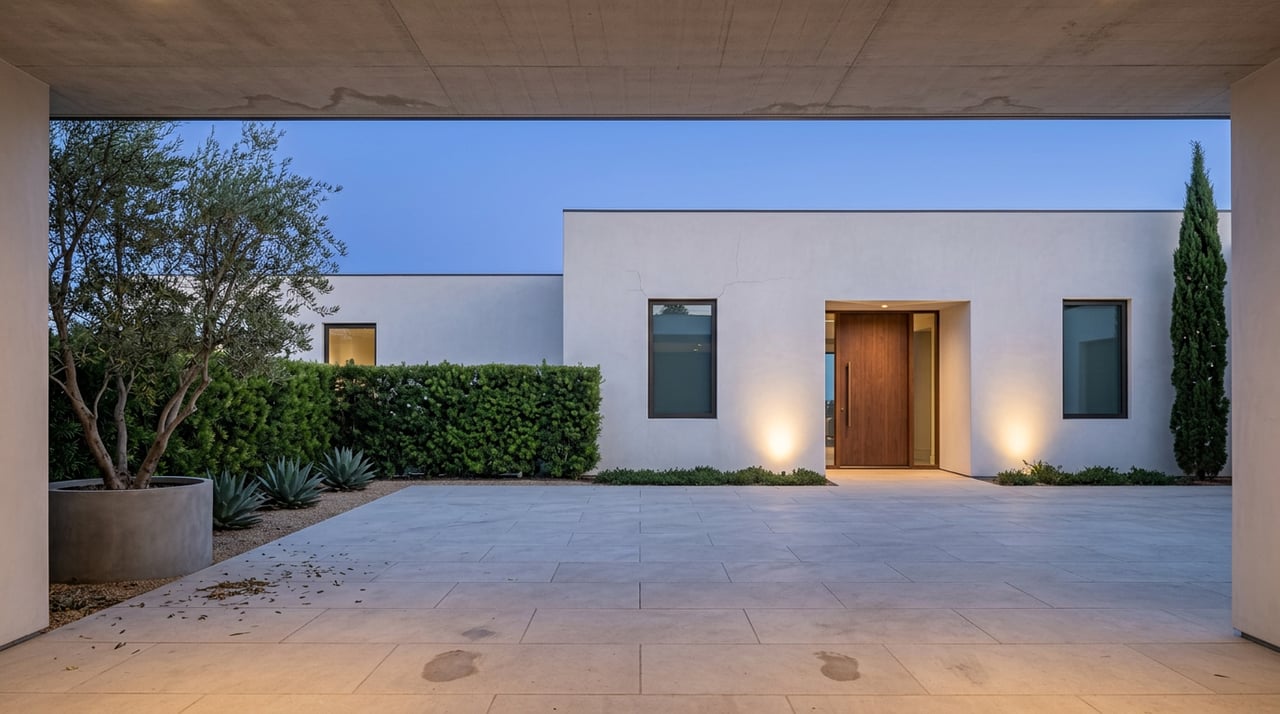
A clean architectural pool that complements the house is broadly appealing.
A highly personalized grotto, elaborate waterfall, swim-up bar, or theme-park-style backyard may cost hundreds of thousands of dollars while appealing to a much narrower buyer pool.
The next owner may not pay extra for it.
They may pay to remove it.
The Luxury Rooms That Have Peaked
Some once-coveted luxury amenities are beginning to age out of favor.
The Dedicated Home Theater
The traditional home theater — dark walls, tiered seating, oversized projection screen, and a room dedicated to one purpose — doesn’t carry the same appeal it once did.
Streaming, oversized high-resolution televisions, and sophisticated whole-home entertainment systems have changed how buyers consume media.
Today’s buyer increasingly values flexibility.
A beautifully designed media room that can function as a lounge, screening room, or family space generally has broader appeal than a highly specialized theater occupying valuable square footage.
The Standalone Sauna
Saunas can face a similar problem.
They sound luxurious, yet a standalone sauna that feels disconnected from the rest of the home may not justify the space it occupies.
There is, however, an important Los Angeles distinction.
Wellness Still Sells
Luxury buyers continue to respond strongly to wellness.
A thoughtfully designed:
- home gym
- steam room
- cold plunge
- spa
- massage or recovery room
- integrated sauna
can absolutely enhance a property's appeal.
The difference is integration versus indulgence.
A wellness suite that feels intentional and architecturally connected to the home reads as an amenity.
A random cedar sauna box wedged into a hallway reads as something the next owner may have to remove.
The Silent Value Killers
Then there are improvements that don’t merely fail to add value.
They can actively cost you buyers.
1. Hyper-Personalized Finishes
Bold wall colors. Dramatic wallpaper. Highly specific imported tile. Extremely unusual stone. Custom finishes selected around one owner’s personal aesthetic.
They may photograph beautifully.
They can also terrify buyers.
When someone walks into a home and immediately sees another person’s highly specific taste, they begin mentally calculating the cost and inconvenience of changing it.
At the luxury level, those mental deductions become real dollars.
2. Garage Conversions That Eliminate Parking
Additional living space sounds valuable.
Losing functional parking often isn’t.
In many Los Angeles neighborhoods, secure and convenient parking remains important enough that converting garage space without considering the resale implications can become an expensive mistake.
3. Technology That Becomes Obsolete
Smart-home technology can absolutely enhance a property.
The problem is proprietary technology.
An overly complicated system that requires specialized maintenance — or already feels outdated a few years after installation — can quickly transform from selling point to liability.
The best technology tends to disappear into the house.
It works intuitively without requiring the next owner to become an IT specialist.
4. High-Maintenance Landscaping
Koi ponds. Exotic plantings. Elaborate water features. Highly specialized gardens.
Beautiful? Absolutely.
Universally desirable? Not necessarily.
Luxury buyers may have significant resources, yet many have very little appetite for inherited maintenance.
The landscaping should make the property feel effortless, not create another responsibility.
5. The $1 Million Kitchen Problem
A beautiful kitchen matters enormously.
An over-customized kitchen can still go underwater.
There is a point where spending more stops creating proportional value.
If you spend $1 million building a kitchen that buyers in that neighborhood perceive as a $400,000 improvement, the market isn't obligated to reimburse you for the difference.
That is the fundamental problem with over-improvement.
What Actually Holds Value?
The luxury features that tend to endure aren't necessarily the loudest.
They're the ones that make the entire property feel better.
Timeless Architecture
Great proportions, thoughtful layouts, architectural integrity, and cohesive design tend to outlast trends.
Natural Light
Few improvements have broader appeal than creating brighter, more inviting interiors.
Honest Materials
Stone. Wood. Glass.
High-quality natural materials used with restraint tend to age far better than highly fashionable finishes.
Seamless Indoor-Outdoor Living
In Los Angeles, indoor-outdoor flow is close to sacred.
Large openings, usable terraces, thoughtfully connected pools, outdoor kitchens, entertaining areas, and landscaping that extends the architecture can fundamentally change how a buyer experiences a property.
Integrated Wellness
The luxury buyer's interest in wellness is real.
The key is making those amenities feel like part of the home rather than a collection of expensive gadgets.
Improvements Appropriate to the Neighborhood
This may be the most important principle of all.
Your renovation needs to stay in step with the market around you.
Spending $2 million on improvements does not automatically create $2 million in additional value.
You can very easily spend $2 million to create $600,000 of perceived market value.
That $1.4 million difference is where affluent homeowners often make their most expensive mistakes.
The Question to Ask Before Every Luxury Renovation
Before committing to a major improvement, ask yourself:
Am I doing this because I want it, or because I believe the next buyer will pay me back for it?
Both answers are perfectly legitimate.
They are simply two very different financial decisions.
I don't just list properties. I position them.
And positioning starts long before the sign goes in the yard. It starts with understanding which dollars are likely to come back to you and which are simply the cost of enjoying your home.
If you're considering a renovation before selling — or buying an estate loaded with expensive features you're quietly wondering about — let's talk before you commit.
I'll tell you exactly how the Los Angeles market is likely to read them.
Amir Jawaherian
The Agency | Los Angeles
[email protected]
(818) 561-1600
CA DRE# 01899893
Sources
GOBankingRates / AOL, “8 Upgrades That Will No Longer Add Value in 2026”
HFS Financial
Opendoor
National Association of Home Builders cost models