Here’s a polished blog-ready version with cleaner structure, stronger pacing, and more readable formatting while preserving your voice and argument.
They Paid $55 Million in Malibu — Then Called the Demolition Crew
What one Paradise Cove sale tells us about the Los Angeles luxury real estate market right now
Here’s what the market is actually doing right now — and it happened on a bluff above Paradise Cove.
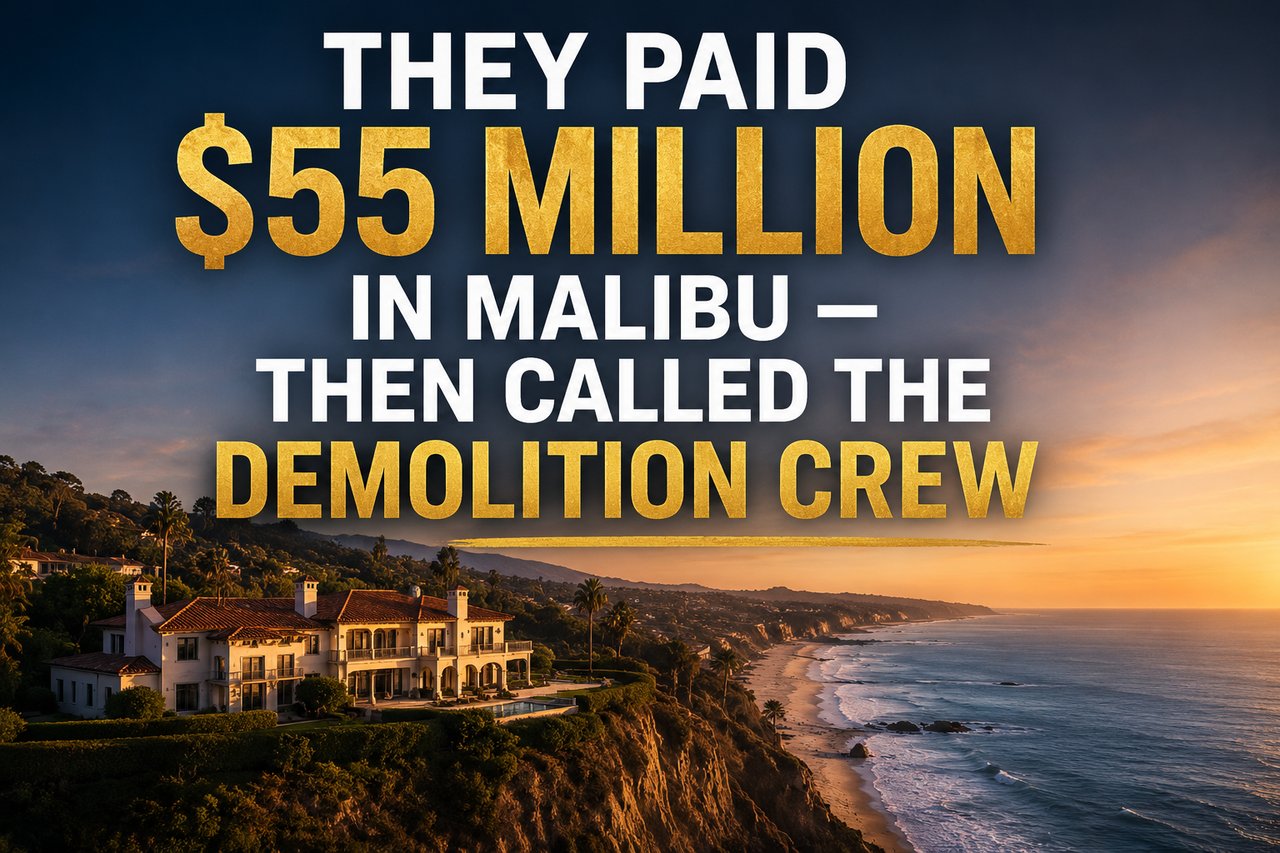
Former Los Angeles Dodgers owner Peter O’Malley just sold his oceanfront Malibu estate at 27832 Pacific Coast Highway for $55 million.
That’s a headline number on its own.
But it’s not the number that should make you sit up.
The real story is who bought it — and what they reportedly plan to do next.
According to The Real Deal and Robb Report, the buyer isn’t a studio executive or tech founder looking for a trophy residence. It’s a joint venture involving some of the sharpest operators in Los Angeles luxury real estate: Kurt Rappaport of Westside Estate Agency, Jack Harris and Michael Fahimian of The Beverly Hills Estates, and architect Scott Mitchell.
And their first order of business?
Tear the house down.
A perfectly livable, 1994-built Mediterranean estate on one of the most coveted stretches of coastline in America — gone.
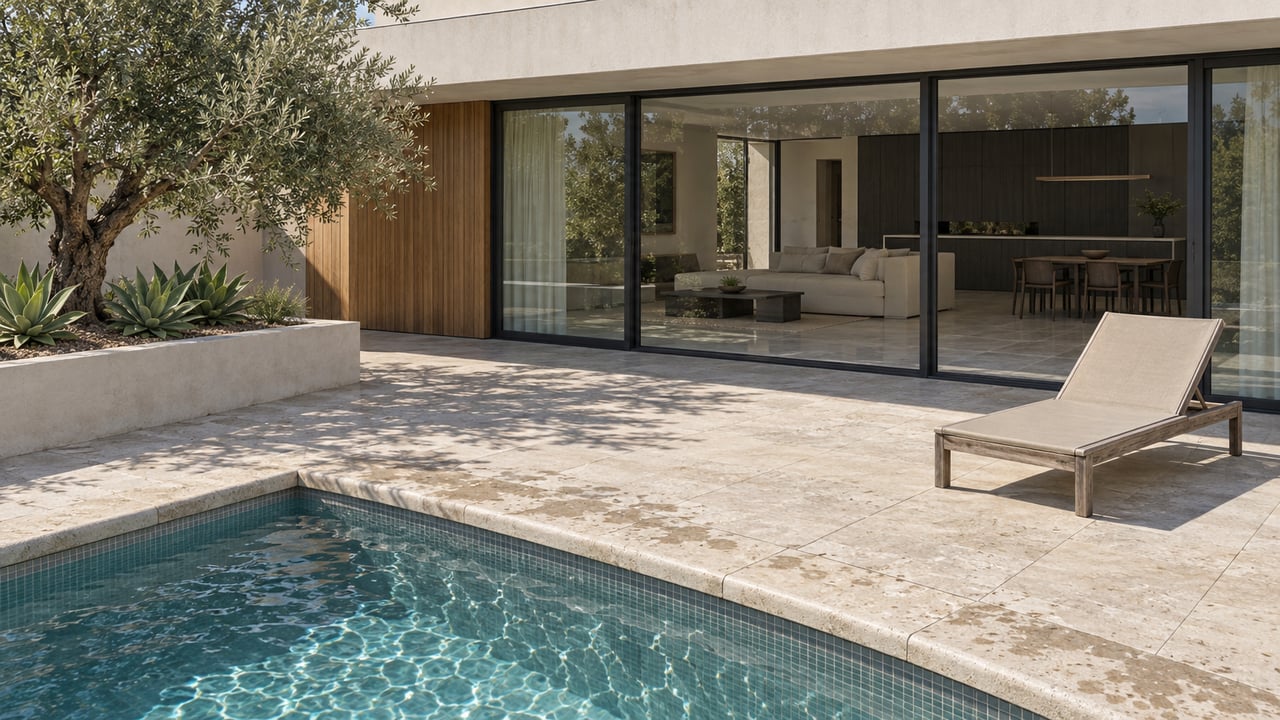
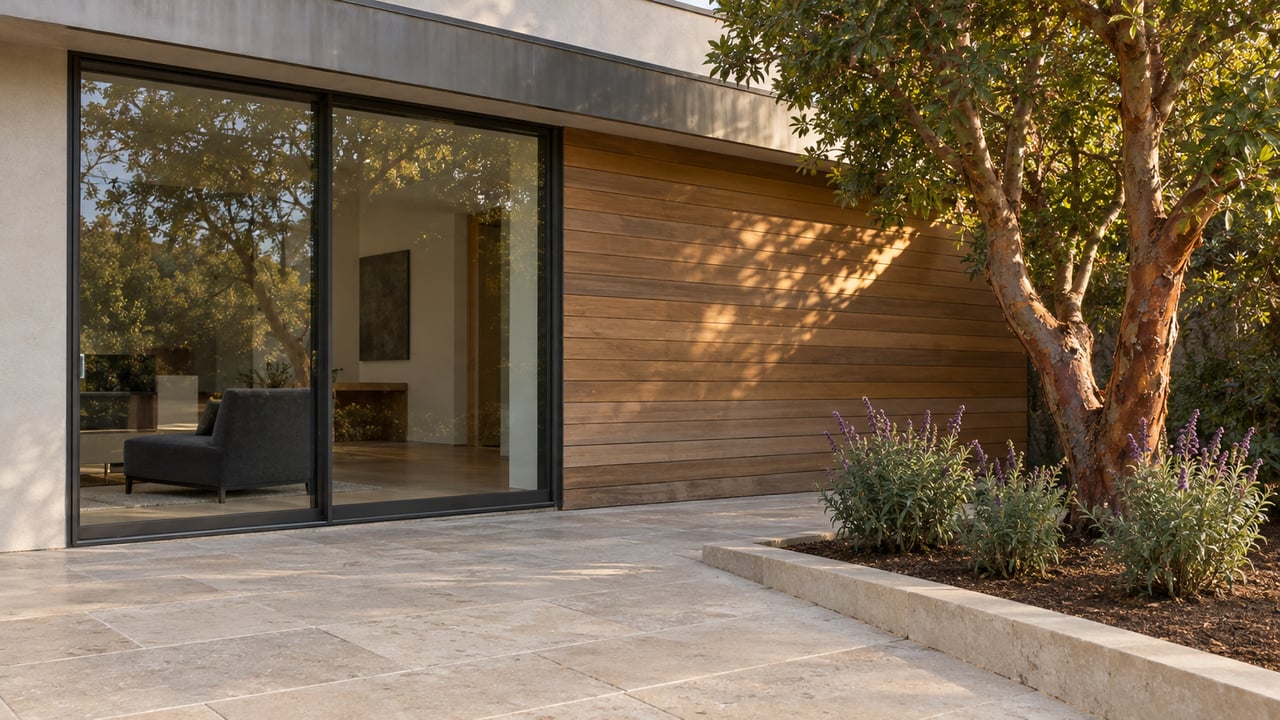
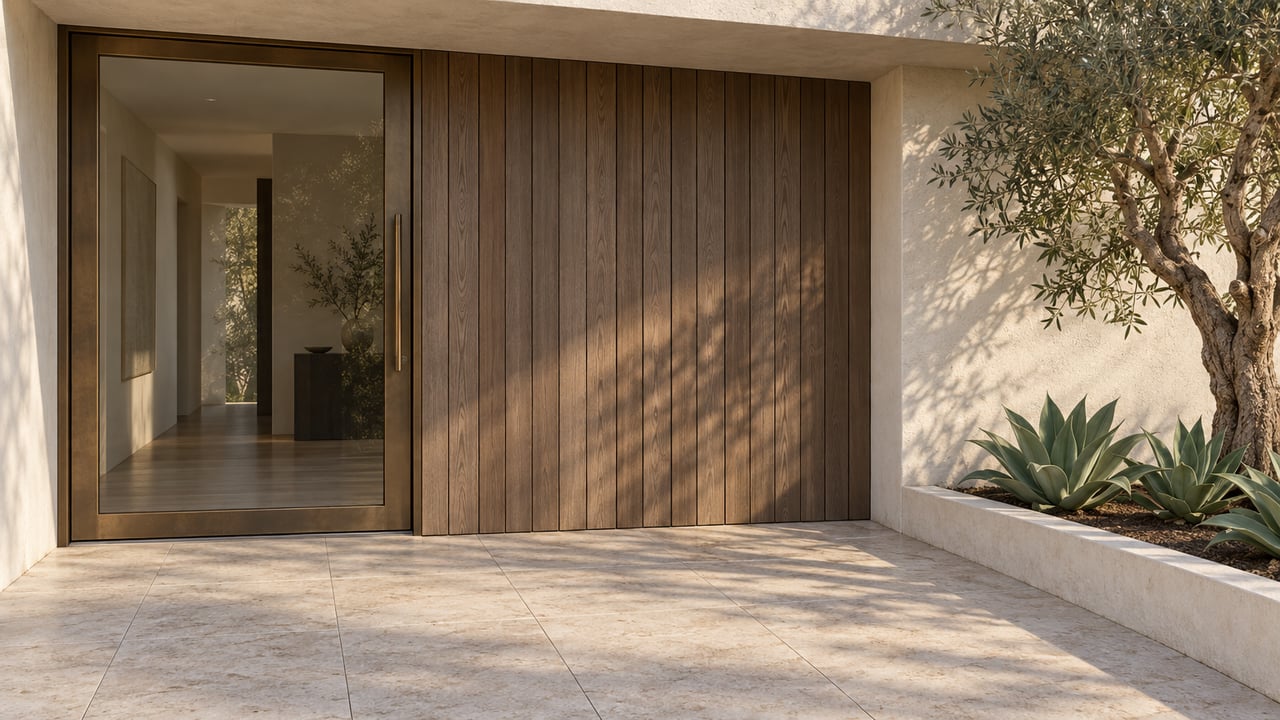
In its place: a ground-up modern compound designed by one of Malibu’s most sought-after architects.
Most agents won’t tell you this, but that decision may be one of the most instructive signals we’ve seen from the Los Angeles luxury market this summer.
When the Smartest Money Buys the Dirt, Not the House
There’s an old truth in real estate that gets forgotten every time beautiful listing photography makes a house look irresistible:
At the very top of the market, you are frequently not buying the structure.
You are buying the land underneath it.
A bluff-top parcel in Paradise Cove with unobstructed ocean frontage is effectively irreplaceable. They aren’t making more coastline in Malibu.
The 1994 house sitting on it, however lovely, is different.
Structures age. Systems become outdated. Architectural preferences change. Floor plans that worked three decades ago may no longer reflect how today’s ultra-high-net-worth buyers want to live.
Rappaport, Harris, Fahimian, and Mitchell clearly understand that distinction.
They didn’t simply pay $55 million for O’Malley’s house.
They paid for the location, the frontage, the scarcity of the land, and the opportunity to create exactly the kind of product today’s luxury buyer may be willing to pay a significant premium for.
In that equation, the existing building becomes secondary.
That’s a professional’s read on value — and it’s a perspective more buyers should understand.
The $30 Million Lesson Hiding in the Sale Price
Now flip the lens to the seller’s side, because there’s an equally important lesson here.
O’Malley’s estate didn’t trade at its original aspirational number.
It ultimately sold for roughly $30 million below its original asking price after spending more than two years on the market.
Think about that gap.
This is prime Malibu. Oceanfront. Bluff-top. Extraordinary provenance.
And it still required a substantial price adjustment and patience to reach the closing table.
Why?
Because the market doesn’t automatically pay a premium for dated luxury, regardless of the prestige of the address or the seller.
Buyers at this level are extremely discerning about product.
When a home’s design reads “1994” instead of “now,” sophisticated buyers begin calculating the cost of reinvention into their offers — construction, architecture, permitting, carrying costs, time and execution risk.
That can materially change what they’re willing to pay for the existing home.
For anyone selling a high-end property in this market, the lesson is uncomfortable but useful:
Your finishes and floor plan are being evaluated almost as critically as your location and view.
Price for the market you are actually in — not the market you remember from a few years ago.
What This Means If You’re Buying Right Now
If you’re a buyer, this sale is a reminder to think beyond the listing photographs.
Stop falling in love with the wallpaper and start asking harder questions.
What is the land worth if the existing house weren’t there?
What could potentially be built?
What are the development constraints?
What would construction cost?
And what could the finished product ultimately be worth?
Sometimes the most interesting opportunity is the tired house sitting on an extraordinary piece of land — the property everyone else scrolls past because the kitchen is dated.
That’s where understanding development, construction and underlying land value becomes critical.
I don’t just look at what a property is today. I look at what it can become.
What This Means If You’re Selling Right Now
For sellers, the message is equally clear.
In 2026, the burden of proof is increasingly on your pricing.
Trophy provenance alone won’t necessarily carry a dated property across the finish line at yesterday’s number.
The homes that are selling tend to fall into one of two categories:
They are genuinely current and compelling enough to command a premium.
Or they are priced to honestly acknowledge the investment required to make them current.
Both strategies can work.
Denial cannot.
The Bigger Signal From Malibu
The O’Malley sale is entertaining because it has all the ingredients of a great real estate story:
A former Dodgers owner.
A $55 million Malibu transaction.
A Paradise Cove bluff.
And, apparently, a demolition crew on the way.
But underneath the drama is a much more important market signal.
At the top of the Los Angeles luxury market, land is king.
Product is being scrutinized.
And sophisticated buyers are willing to spend enormous amounts of money when they see irreplaceable underlying value — even when the first thing they intend to do is tear the existing house down.
That may be the clearest lesson from this $55 million transaction.
If you’re considering buying or selling in Malibu or anywhere across the Westside, let’s talk about what your property is actually worth in today’s market — both the dirt and the house.
[email protected]
(818) 561-1600
Sources: The Real Deal, Robb Report.
I’d also recommend adding a strong Malibu hero image immediately below the headline and one or two images within the article to break up the longer sections.